
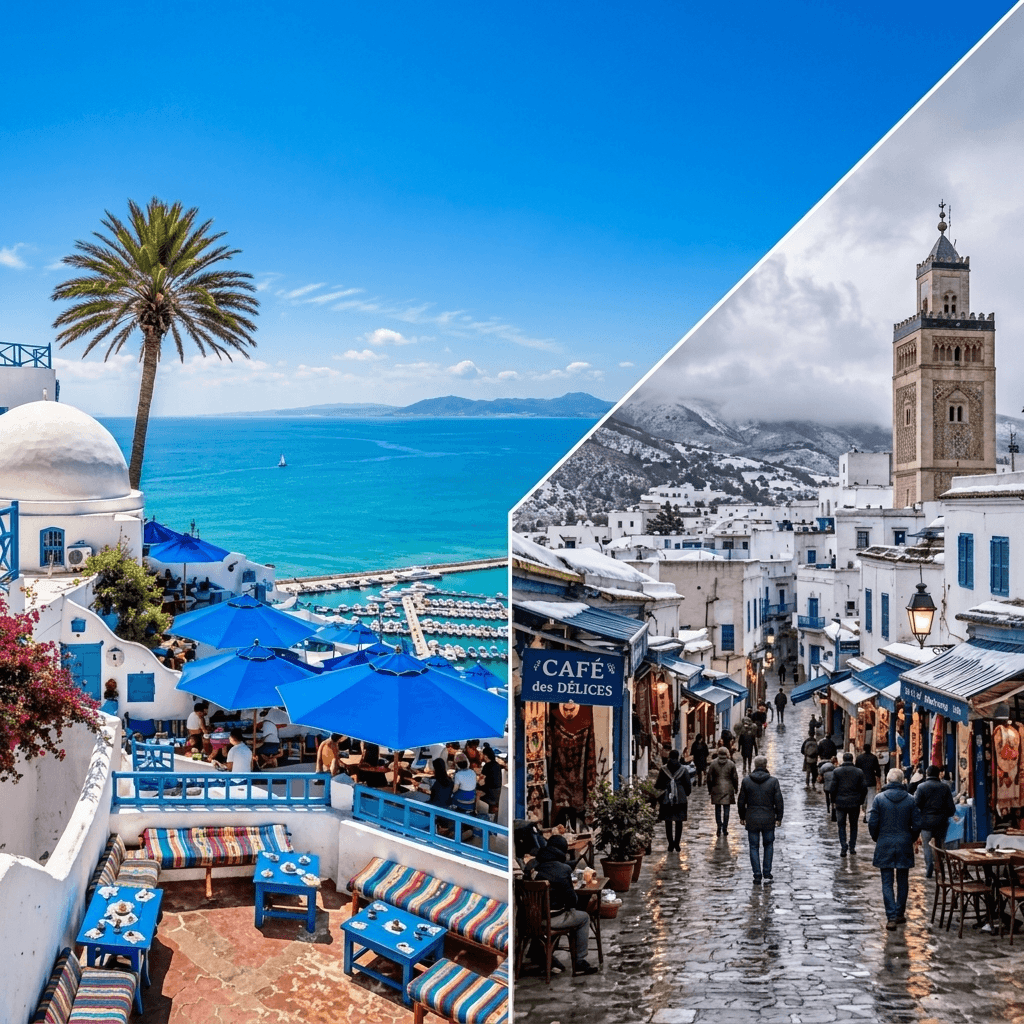
For older travelers weighing high summer against the calm of winter, the season you choose shapes everything about a Tunisia trip — how far you walk each day, how often you rest, how comfortable the ancient sites feel underfoot, and even which festivals and holiday weeks land in front of you.
For most seniors, winter is far more comfortable than peak summer for heat and unhurried sightseeing — yet each season has genuine advantages, and a private, gently paced trip makes either one enjoyable. If your dates are flexible, the spring and autumn shoulder months are the outright sweet spot, and often the real answer when people ask about the best time to visit Tunisia.
Summer in Tunisia for seniors
What is summer (June to August) like for senior travelers in Tunisia?
Summer is Tunisia at its warmest, brightest and liveliest. Days are long, the sea is warm, and coastal towns such as Tunis, Sousse, Hammamet and Djerba stay a little milder thanks to steady sea breezes. Inland and in the south it is a different story: El Jem, Kairouan, hilltop Dougga, Sfax and the Sahara have very little shade and can be genuinely hot by midday. This June-to-August stretch is the summer school-holiday season for most Western visitors, which also makes it the busiest and priciest window of the year — so it pays to book early and plan firmly around the heat.
The upside for many visitors is atmosphere. Evenings are warm and sociable, seaside promenades come alive after sunset, and there are real cultural highlights — including the summer symphonic music festival staged inside the El Jem amphitheatre, a Roman colosseum whose stone tiers make an unforgettable concert setting. If part of your dream is warm-sea swimming and long, easy evenings, summer delivers. If you are still weighing your dates, our guide to the best time to visit Tunisia sets the seasons side by side.
Is the summer heat too much for older visitors, and how do you manage it?
Heat is the real consideration in summer, and it deserves honesty: for older travelers the main risks are fatigue, dehydration and heat exhaustion, especially on exposed inland sites in the middle of the day. It is very manageable, but it needs a plan rather than willpower.
The approach that works is simple and time-tested: start sightseeing early, while the ruins are cool and quiet; take a long, genuine midday rest indoors or over an unhurried lunch; and save gentle activities or the shaded coast for late afternoon. Keep an air-conditioned car close, sip water steadily, and wear a hat, sunscreen and loose, light clothing. Anyone managing a health condition should set their own pace and speak with their doctor before traveling, and travel insurance is always sensible. Handled this way, even July and August are enjoyable — the day is simply shaped around the heat instead of fighting it. A private setup makes that effortless, which is exactly what a service like Atlantis Voyages is built around.
What summer events are worth planning a trip around?
Summer's signature event for culture lovers is the El Jem International Symphonic Music Festival, held on warm July and August evenings inside the towering Roman amphitheatre — the El Jem colosseum, one of the best preserved anywhere. Hearing an orchestra resonate around the amphitheater of El Jem after dark is the kind of memory that can make the season worth the heat. Because the concerts happen in the cool of the evening, they suit older travelers beautifully: on a private schedule you can rest through the hot afternoon, arrive without a scramble for parking, take a seat at your own pace, and leave whenever you please.
Beyond the festival, summer is the coast's moment. The warm sea and long, gentle evenings along Hammamet, Sousse and Djerba are the whole point for many visitors, and an unhurried seaside stroll after sunset — perhaps over a slow dinner of local Tunisian food — is as much a highlight as any monument. If you would rather build your days around what to do in El Jem and the Roman heartland than around the beach, that works too; summer simply rewards early mornings and shady, restful afternoons.
Winter in Tunisia for seniors
What is winter (December to February) like for senior travelers?
Winter is Tunisia's quiet season, and for a great many seniors it is the most comfortable time of all. Daytime temperatures on the coast are mild and pleasant — cool rather than cold — and the landscapes turn green after the first rains. Inland runs cooler, and desert nights can genuinely approach freezing, but the daylight hours are gentle and easy on the body.
The biggest advantage is walking. Exploring the spread-out ruins of ancient Carthage, the medinas of Tunis and Kairouan, or the tiers of El Jem is far kinder when you are not battling heat. Crowds thin out dramatically, so sites feel calm and unhurried, and low season usually means better value and easier availability for hotels and guides alike. For anyone whose ideal trip is culture and history at a relaxed pace, winter is hard to beat.
Is winter warm enough, and what about rain and shorter days?
Winter is mild rather than hot, and that is precisely why it suits sightseeing so well — but it is fair to set expectations. Coastal days are comfortable in a light jacket, inland is cooler, and you will want warm layers plus a proper jacket for chilly evenings and especially for desert nights, which can be cold at places like Ksar Ghilane. Occasional rainy days do happen, though they tend to pass rather than settle in.
Daylight is shorter, so you will naturally see fewer sites per day — and for a senior pace, that is often a feature rather than a drawback. Two unhurried visits with a long lunch between them beats a rushed race against the clock. Pack layers, keep a compact umbrella handy, and let the shorter day set a calm rhythm. If you are working out how long to stay, our note on how many days you need helps shape a realistic winter itinerary.
Is winter a good time for the Sahara, and what about the Douz Sahara Festival?
Winter is arguably the finest season for the Sahara, precisely because the days are pleasant instead of punishing. Under a mild winter sun you can explore the Tozeur oasis and its sea of palms, walk out onto the vast Chott el Djerid salt lake, visit the troglodyte cave homes of Matmata, and reach remote Ksar Ghilane without the crushing midday heat that defines summer in the deep south. The one real catch is the nights: temperatures in the Sahara desert of Tunisia can drop close to freezing after dark, so a warm jacket and good layers are essential.
Winter also brings the region's great celebration — the International Festival of the Sahara in Douz, usually held in December, with camel processions, traditional music, poetry and horsemanship at the gateway to the dunes. Like the El Jem concerts in summer, it is easy to enjoy at a gentle pace when your days are your own: you watch what interests you, rest when you like, and let a private schedule handle the timing and the driving. It is one of the clearest reasons winter can be every bit as rewarding as the warm season.
Best months and holiday periods, and how to choose
Which are the best months to visit Tunisia, and which holiday periods suit seniors best?
If your dates are flexible, the honest answer to when is the best time to visit Tunisia is the shoulder seasons: spring, roughly March to May, and autumn, roughly September to November. These are the best months to visit Tunisia for most seniors — warm but not scorching days, cool-not-cold evenings, thinner crowds and easy walking through the historic sites. When people ask for the single best month to visit Tunisia, April, May, October and early November come up again and again, and they are about as close as it gets to the best time of year to visit Tunisia for gentle sightseeing. The capital follows the same rhythm, so the best time to visit Tunis lines up with those same months.
It also helps to map the common holiday windows onto the seasons honestly. The summer school-holiday break (June to August) sits squarely in the hot, busy, higher-priced season — wonderful for the coast and warm-sea swimming, but the window that most needs planning around the heat, and the one where flights fill first, as our note on getting to Tunisia explains. The Christmas and New Year break and the winter half-term fall in the mild winter season: lovely for ruins and medinas at a relaxed pace, with green landscapes and calm sites, as long as you pack layers for cool evenings and cold desert nights. Easter usually lands in spring, which makes it one of the most comfortable holiday windows of all. Whichever fits your calendar, our guide to the best time to visit Tunisia goes deeper on each season and month.
Summer or winter, which is overall better for a senior trip to Tunisia?
If you are still asking yourself whether you should visit Tunisia at all, the reassuring answer is that both seasons genuinely work — it is really a question of which suits you. For the majority of older travelers, winter wins on comfort: mild days, no midday heat to plan around, thin crowds and easy walking through the historic sites. Summer wins on atmosphere — warm-sea swimming, long evenings and festivals — at the cost of heat, crowds and higher prices. Neither is wrong; they simply suit different priorities.
A useful way to decide: if your trip is mostly about ruins, medinas and unhurried culture, lean winter. If it is mostly about the beach and lively summer evenings, and you are happy to plan firmly around the heat, summer can be lovely. And if your dates are open at all, the spring (March to May) and autumn (September to November) shoulder months blend warm-but-not-scorching days with modest crowds — the best of both, and often the real answer when people ask about the best month to visit Tunisia.
What should seniors pack for summer versus winter?
Packing well is one of the simplest ways to make either season comfortable, and the two lists look quite different.
- For summer: a wide-brimmed hat, high-factor sunscreen and sunglasses; light, loose, breathable clothing in natural fabrics; a refillable water bottle you can keep topped up; and comfortable, already-worn walking shoes for the uneven ground at the ancient sites.
- For winter: warm layers you can add or shed through the day; a proper warm jacket for chilly evenings and genuinely cold desert nights; a light rain layer or compact umbrella for the occasional shower; and the same sturdy, comfortable shoes for historic ground that can be slippery after rain.
A few things belong in the bag whatever the season: any personal medication in its original packaging with a copy of your prescription, your travel insurance details, and modest layers for mosques and religious sites. Anyone managing a health condition should pack to their own needs and check with their doctor before traveling. Keep the daypack light — on a private tour the car is never far, so you carry only what you need for the next hour or two.
Season by what matters: ruins, desert and cost
Which season is better for the ancient ruins and sightseeing at a gentle pace?
For the Roman ruins in Tunisia and the great ancient cities, winter is generally the kinder season. Walking the uneven ground of Carthage — from the Roman ruins of Carthage to Byrsa Hill above the bay — climbing the tiers of the El Jem amphitheatre, exploring hilltop Dougga, tracing the temple columns of Sbeitla (ancient Sufetula), or wandering the medinas of Kairouan and Tunis is far more comfortable without heat pressing down on you. Cool, clear winter days let you linger over the detail — and what to see in Carthage rewards slow looking — instead of hurrying to the next patch of shade. Even the Roman ruins near Tunis and the workaday medina of Sfax feel easier at a relaxed pace when the temperature is mild.
None of this puts summer off-limits — these same sites are just as rewarding in July, but they ask for an early start, water and a proper midday break. The difference is that winter lets you set the pace freely, while summer asks you to work with the clock. For the wider picture of the best things to do in Tunisia and how to string the highlights together, the complete Tunisia guide lays out the options.
Summer or winter for the Sahara and the desert Star Wars locations?
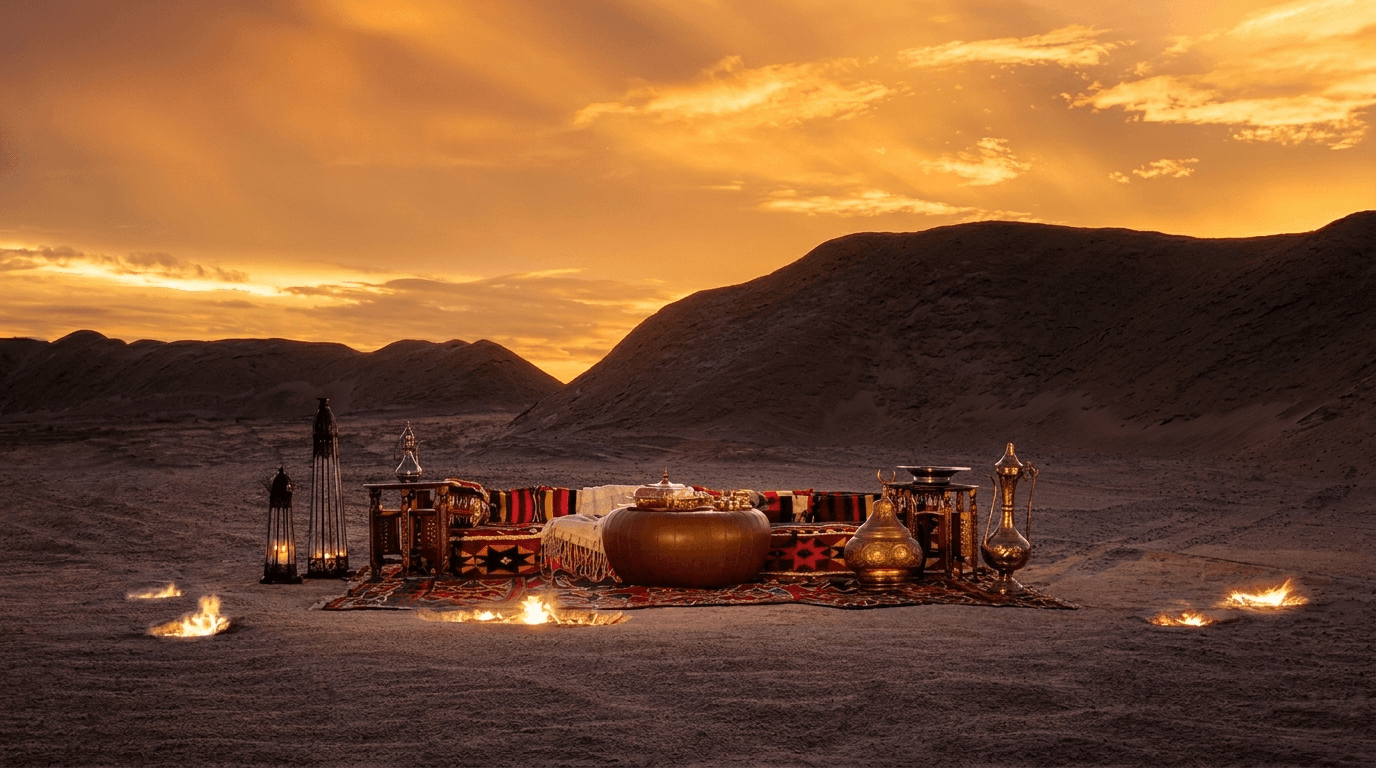
The desert is the one place where the seasons flip hardest. In summer, midday in the Sahara is brutal — but the nights stay warm. In winter, the days are pleasant and ideal for exploring, while the nights turn genuinely cold. Either way, the great desert destinations are very doable for seniors with the right setup: the Tozeur oasis and its palms, the shimmering Chott el Djerid salt lake, Matmata with its troglodyte cave homes, Douz at the gateway to the Sahara, remote Ksar Ghilane, and the Tataouine desert — where George Lucas filmed Star Wars, which is how the planet "Tatooine" got its name.
The practical answer is a private, air-conditioned vehicle with a 4x4 arranged by your guide for the desert pistes, plus layered clothing you can add or shed as the temperature swings. Winter travelers pack a warm jacket for the cold nights; summer travelers keep desert time to early morning and late afternoon. As with everything here, the spring and autumn shoulder months make these Star Wars filming locations in Tunisia easiest of all.
Is Tunisia cheaper in summer or winter, and what about crowds?
Visitors often ask whether Tunisia is cheap or expensive, and the honest answer is that the cost of travel tends to be very good value in either season — but the calendar matters. Summer is peak season: the most visitors, the busiest sites and the highest prices, so booking well ahead is wise. Winter is low season: quiet sites, relaxed guides, and better value and availability. We never quote fixed figures because they shift, but if the budget and a bit of elbow room matter to you, winter has the clear edge on both cost and crowds.
Two questions usually travel with this one. On safety, many first-time visitors want to know whether Tunisia is safe to visit, how safe Tunisia is for tourists, and whether it is a tourist-friendly place for a holiday — our up-to-date safety overview covers it honestly and points to official sources. On money, it is worth thinking through how much to take and how you will pay before you go; the first-time FAQ walks through the practicalities, from cards and cash to tipping.
How does a private guided tour keep both summer and winter comfortable?
This is where the season stops being the deciding factor. A private guided tour adapts to whatever the calendar brings, which is exactly what makes both summer and winter comfortable for older travelers — and reassuring for the adult children helping to plan. In summer that means an air-conditioned car, early starts before the heat, and real indoor rests over the middle of the day. In winter it means planning around the shorter daylight and the weather, with a warm, dry car always waiting. Whether you are shaping a one-week Tunisia itinerary or a fuller 10-day trip, the plan bends to your pace rather than the other way around.
Day to day, the difference is in the small things: a driver who waits right at each entrance instead of a long walk from a distant car park, an airport meet-and-greet on arrival, a steadying hand on uneven steps, and a pace set entirely by you rather than a fixed group schedule. Atlantis Voyages shapes each trip around the traveler and the season, so whether you come for winter's calm or summer's warmth, the itinerary flexes to fit. When you are ready to choose your own dates and pace, you can start planning your trip and tell us what matters most.