
The best time to visit Tunisia depends entirely on your plan. For sightseeing and the Sahara, aim for spring (April–June) or autumn (September–November), when the days are warm but comfortable. For the beach, come in July–August, when it's hot and the Mediterranean is warm. Here's how the year breaks down.
Spring (March–June): the all-rounder
Spring is the sweet spot. The countryside is green, wildflowers dot the Roman sites, and temperatures are pleasant for walking Dougga or El Jem without wilting. April to June is also excellent for the desert, before the deep-summer heat sets in. Sea temperatures climb through June if you want to combine ruins with a swim.
Summer (July–August): beach season
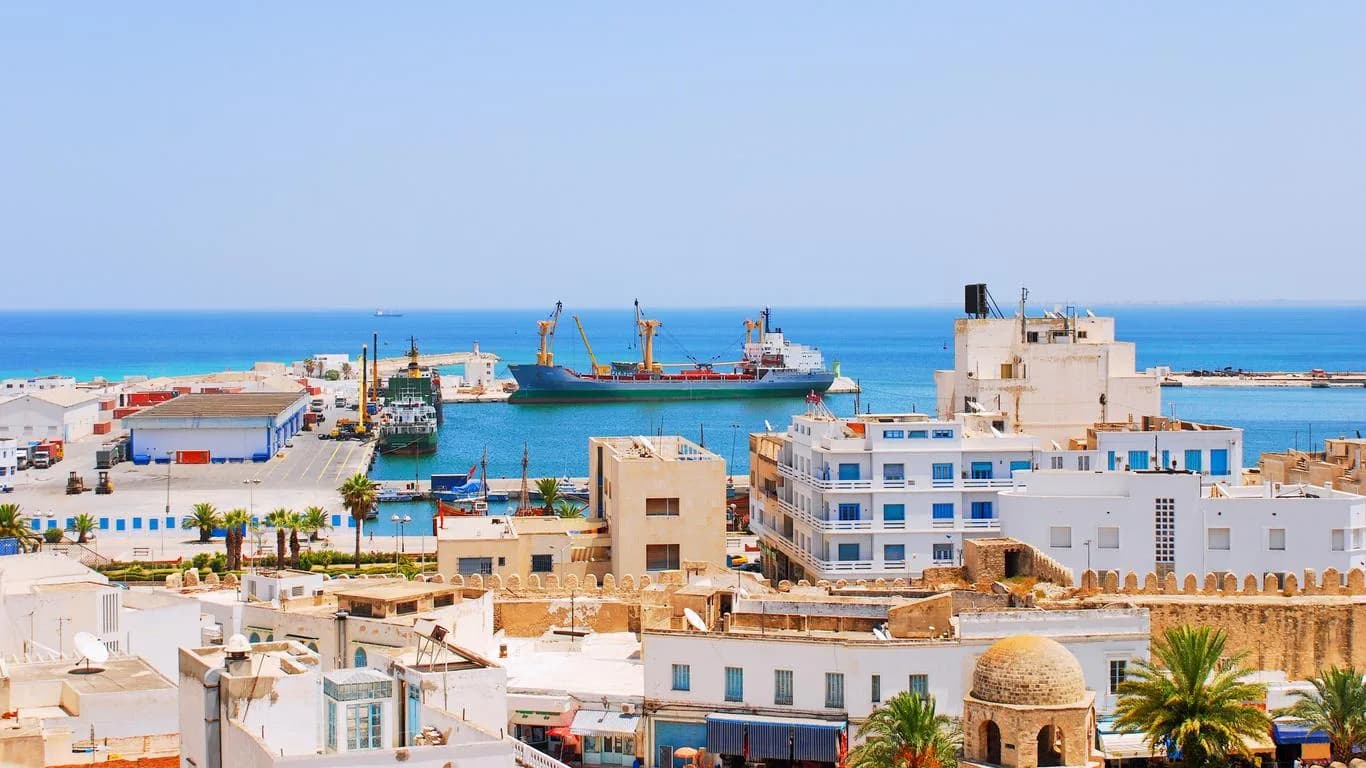
This is peak season on the coast — Sousse, Hammamet and Djerba fill with sun-seekers, the sea is at its warmest, and resorts are lively. The trade-off is heat: inland ruins and the Sahara can top 40°C, so save sightseeing for early morning and keep the middle of the day for the pool. It's also when El Jem hosts its famous summer symphony festival inside the amphitheatre.
Autumn (September–November): the connoisseur's choice
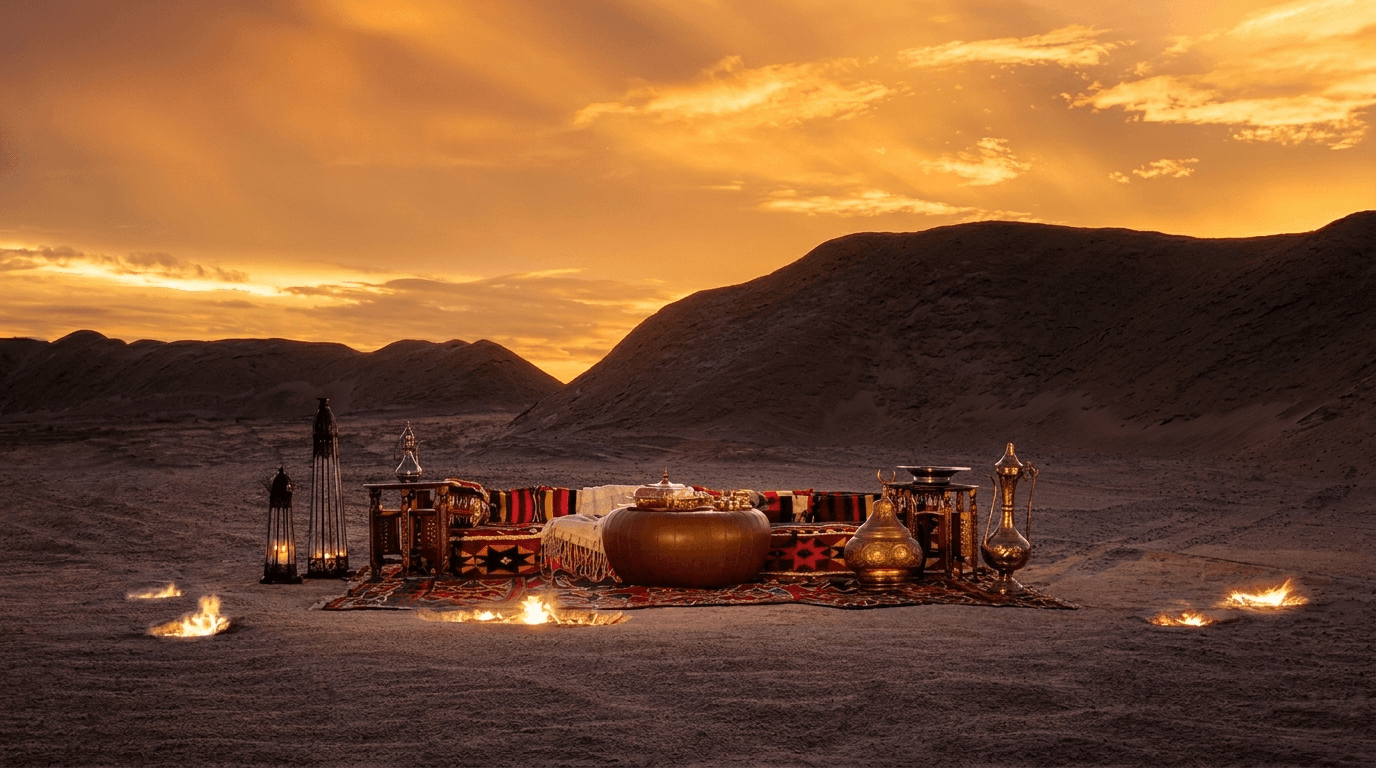
Many seasoned travellers rate autumn the best time of all. The summer crowds thin, the sea stays warm into October, and the light turns golden on the stone. September and October are superb for the Sahara — warm days, cool nights, clear skies for stargazing. By November the north gets its first rain, but the sites are quiet and prices soften.
Winter (December–February): quiet and clear
Winter is mild by European standards but too cool for swimming (the sea drops to around 16°C). What it offers is solitude: you can have the Roman cities almost to yourself, and desert nights are crisp and brilliantly starry. Pack layers, and expect some rain in the north.
Quick month-by-month
- Mar–Apr: mild, green, few crowds — ideal for ruins and the desert.
- May–Jun: warm and sunny, sea warming up — great all-rounder.
- Jul–Aug: hot; beach and resorts at their best, ruins early only.
- Sep–Oct: warm, quieter, warm sea — arguably the best overall.
- Nov: cooler, first northern rain, low prices.
- Dec–Feb: mild, quiet, no swimming; superb for the deep Sahara.
Frequently asked questions
What is the best month to visit Tunisia?
May and October are the standout months — warm, sunny, a warm-enough sea and manageable crowds, good for both sightseeing and a swim.
When is the best time to visit Tunisia for the beach?
July and August, when it's hottest and the Mediterranean is warmest, though June and September are pleasant and quieter.
Is it too hot to visit Tunisia in summer?
The coast is fine for the beach; inland ruins and the Sahara can exceed 40°C, so sightsee early in the morning and rest at midday.
Plan your trip
Once you know when to go and how long you need, our local team can shape a private itinerary around your interests — transfers, guiding and hotels included. Plan your trip, or read our complete Tunisia travel guide for the full overview.