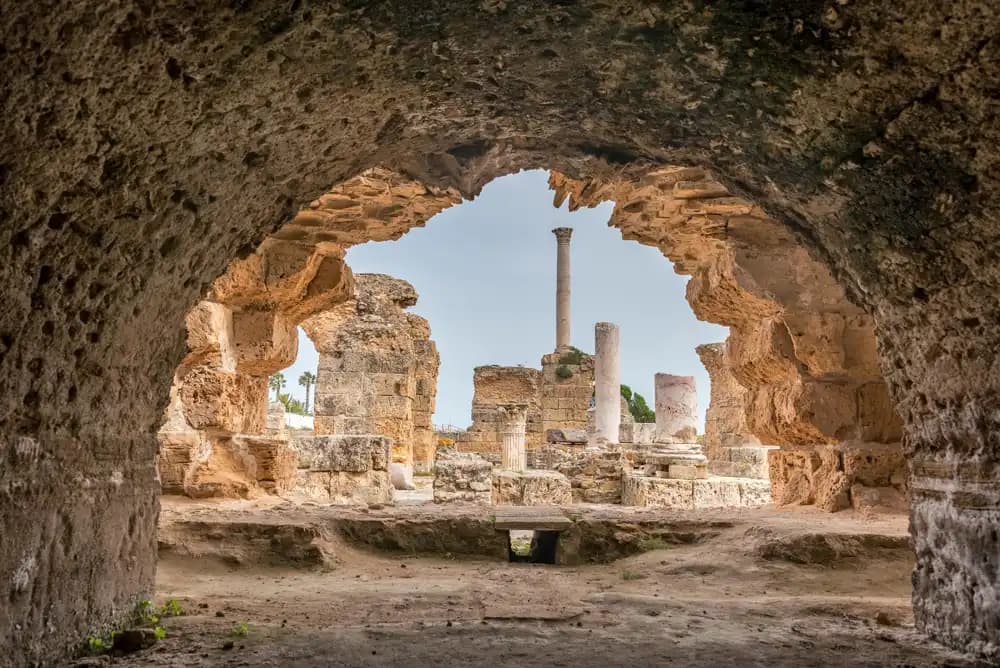

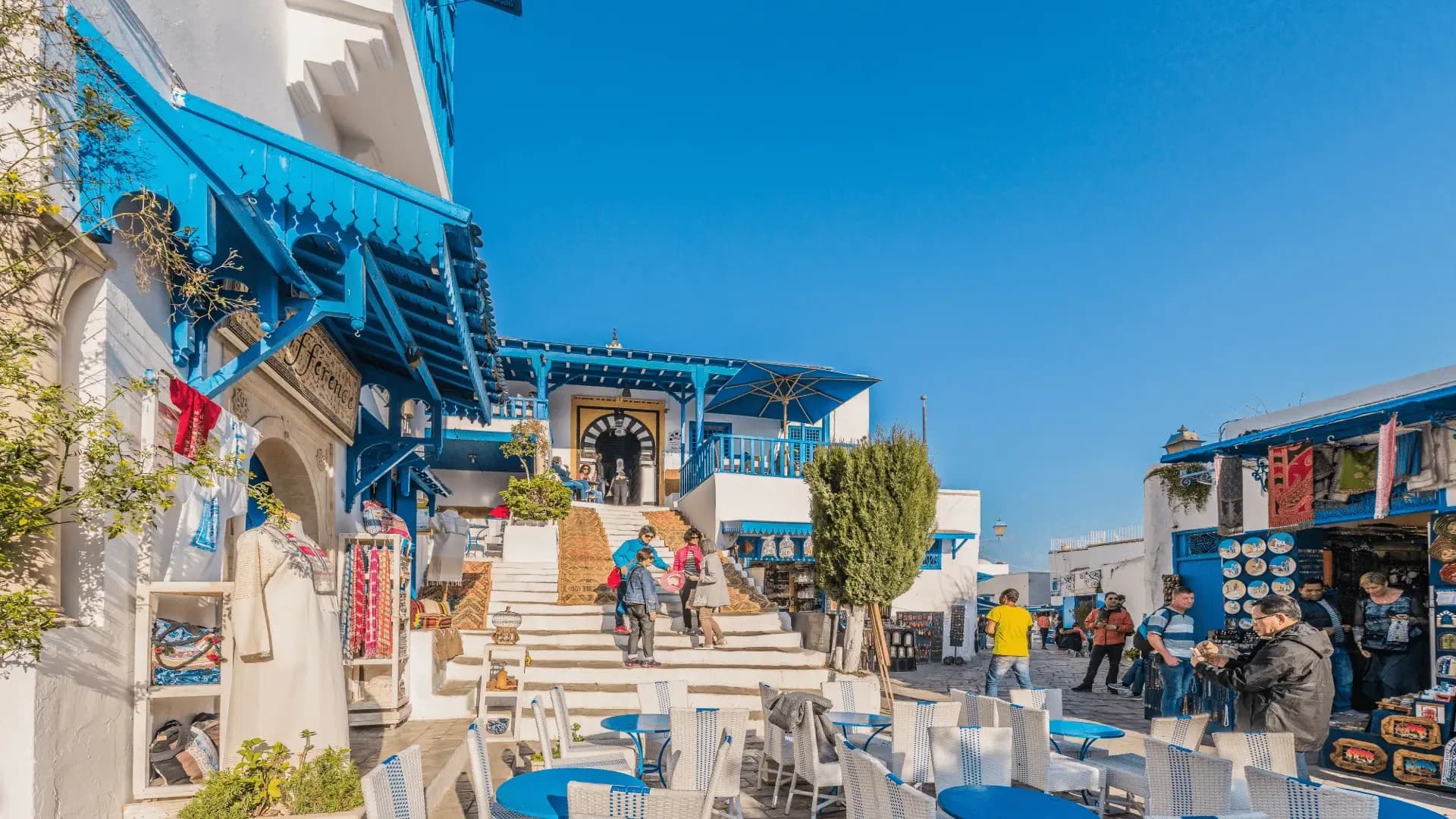
Yes — Tunisia is a safe and welcoming place to travel. Every year millions of visitors enjoy its Mediterranean beaches, its ancient medinas and some of the finest Roman ruins in the world, and the main tourist areas are secure, relaxed and thoroughly used to looking after guests. If Tunisia's reputation has given you pause, here is the more accurate — and far more encouraging — picture.
Safer than its reputation
Tunisia has been a favourite of European holidaymakers for decades, and tourism is a pillar of the country. The resorts, historic sites and cities that visitors actually go to are stable, well run and welcoming. Headlines tend to flatten a whole country into a single word; the reality on the ground — in Tunis, along the coast and at the great Roman sites — is calm, friendly and easy.
A famously warm welcome
What most first-time visitors remember is the hospitality. Tunisians are genuinely warm and helpful, mint tea appears at every opportunity, and it is normal to feel looked after rather than hassled. A little light haggling in the souk and the occasional friendly tout are about the extent of the "hassle" — and both are easily met with a smile.
Everyday life is relaxed
Wander a medina in the evening and you will find families out, cafés full and children playing — the ordinary, easy rhythm of a Mediterranean country. Common-sense precautions are all it takes: keep an eye on your bag in a crowd and agree a taxi fare first. Serious trouble is rare, and the tourist areas are used to visitors from all over the world.
Especially good for solo female travellers
Tunisia is often singled out as one of the easiest North African countries for women travelling alone. It has long been among the most progressive societies in the region — its Code of Personal Status, guaranteeing women far-reaching rights, dates back to 1956. Plenty of women travel here comfortably; dressing a little more modestly away from the beach and using a guided circuit make it effortless.
The tourist map is the safe map
Reassuringly, everywhere you will want to go — Tunis and Carthage, Sousse, Hammamet and Djerba, the Roman cities of Dougga and El Jem, and the northern gateways to the Sahara — sits comfortably within the normal "take usual precautions" zone. The only areas advisories flag are remote strips along the far southern and western borders, which are not on any tourist itinerary in the first place.
Even easier with a guided trip
The simplest way to travel with complete peace of mind is to let a local team handle the logistics. With private transfers, a driver and a guide who knows the ground, you skip the taxi negotiations and the wrong turns entirely and simply enjoy the country — moving between the ancient sites and the desert with someone looking out for you the whole way.
Frequently asked questions
Is Tunisia safe for tourists in 2026?
Yes. The main tourist areas are secure and welcoming, visited by millions each year. Take the same common-sense precautions you would anywhere and you will find it easy and relaxed.
Is Tunisia safe for solo female travellers?
Yes — it is one of the more comfortable North African countries for women alone, thanks to a long tradition of progressive women's rights. Dress modestly away from resorts and a guided circuit makes it effortless.
Is Tunisia worth visiting?
Absolutely — few places pack Roman ruins, Mediterranean beaches, the Sahara and warm hospitality into one affordable, easy-going trip.
Plan your trip
The easiest way to travel with total peace of mind is to let a local team handle everything. Plan your trip, or read our complete Tunisia travel guide for the full picture.