
Tunisia is a predominantly Muslim country, but one of the most moderate and secular in the Arab world — which means travellers can relax and feel at ease.
Around 99% of Tunisians are Muslim (Sunni, Maliki school), and Islam is the state religion. Yet daily life is open and relaxed, and visitors are almost never expected to follow religious rules. With a little attention to dress and prayer times, even solo women and first-time travellers can enjoy Tunisia with confidence.
Islam is at the heart of Tunisian life
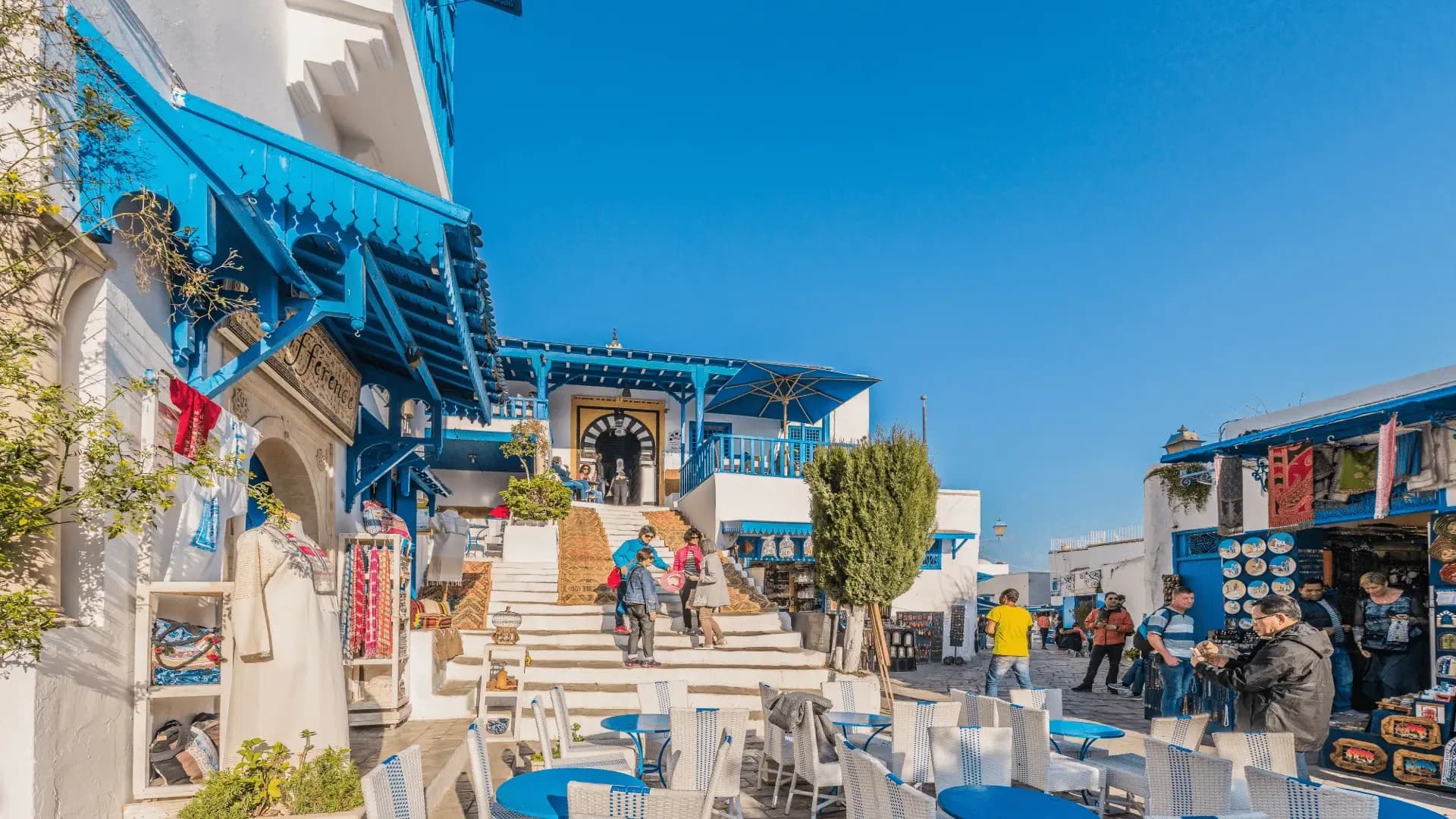
About 99% of Tunisians are Muslim, most belonging to the Sunni Maliki school. Islam is the state religion under the constitution, but since independence Tunisia has pursued a modernisation that prioritised education and women's rights, making it one of the most secular and moderate societies in the Arab world. Modern cafés and shops line the streets, and people dress freely. For the bigger picture, see our complete guide to Tunisia.
A long Jewish and Christian history
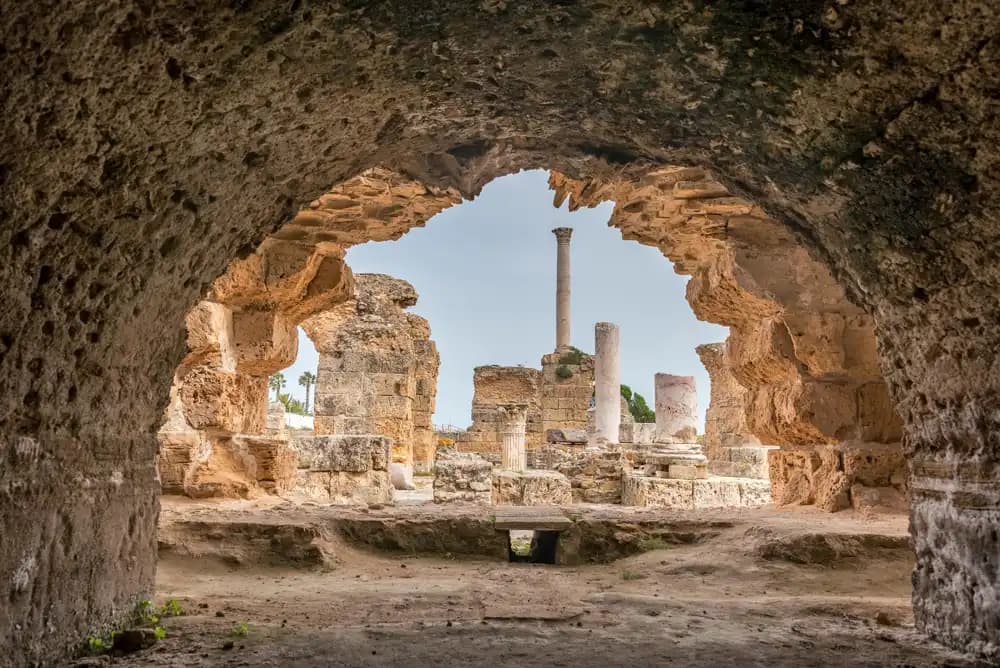
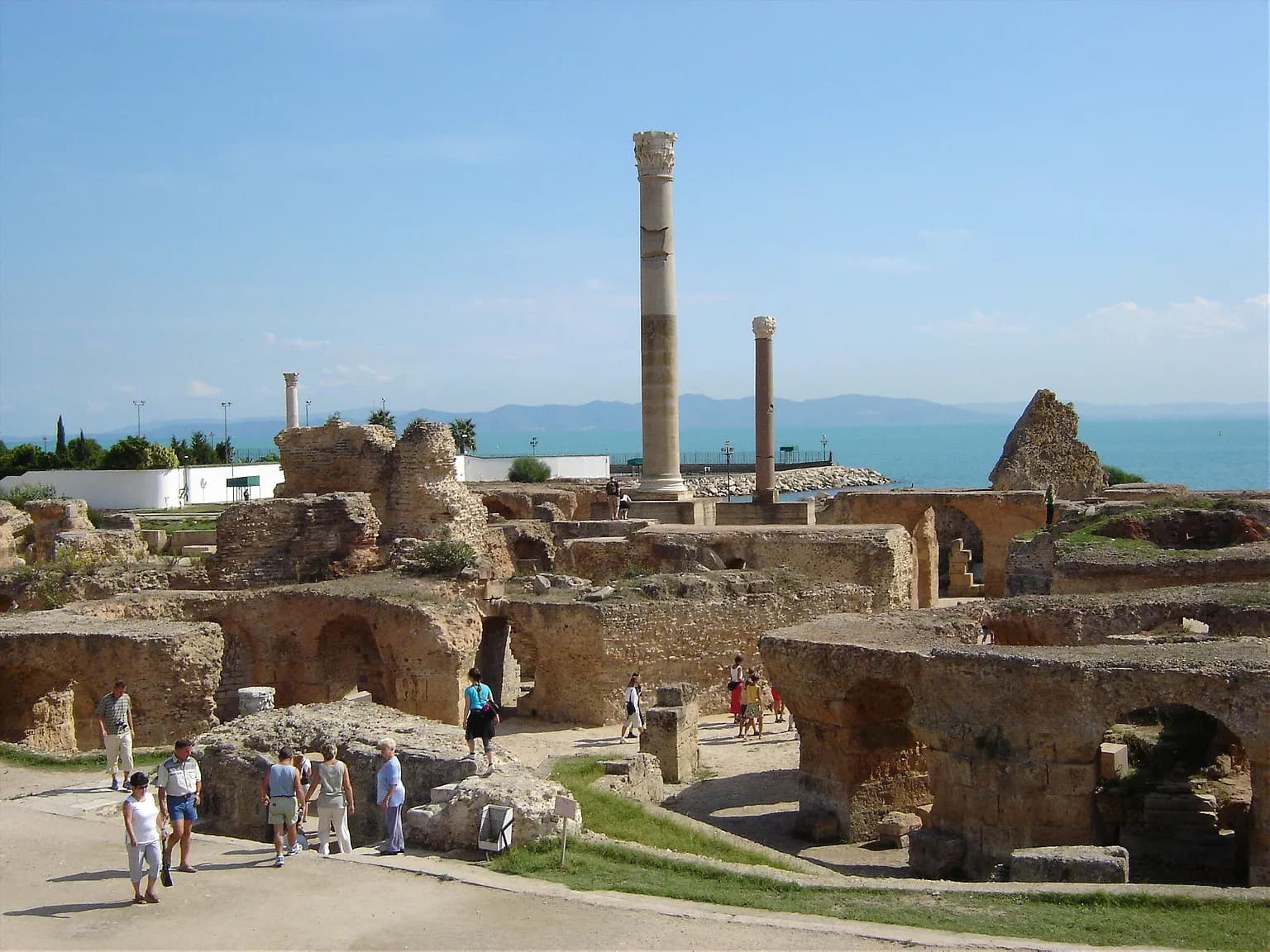
Tunisia has a rich religious history that predates Islam. The Mediterranean island of Djerba is home to one of North Africa's oldest Jewish communities, and the El Ghriba synagogue — among the oldest in Africa — still hosts an annual pilgrimage. Ancient Carthage was an important centre of early Christianity, where Church Fathers such as Saint Augustine and Saint Cyprian were active.
Religious customs travellers should know
Five times a day, the call to prayer (adhan) sounds from the mosques — a memorable part of the atmosphere rather than a disruption. Friday is the main day of congregational prayer, and mosques are busiest around midday. During the holy month of Ramadan, many people fast during daylight hours and some restaurants and shops change their opening times. For timing your trip, see our best time to visit guide.
Mosque etiquette
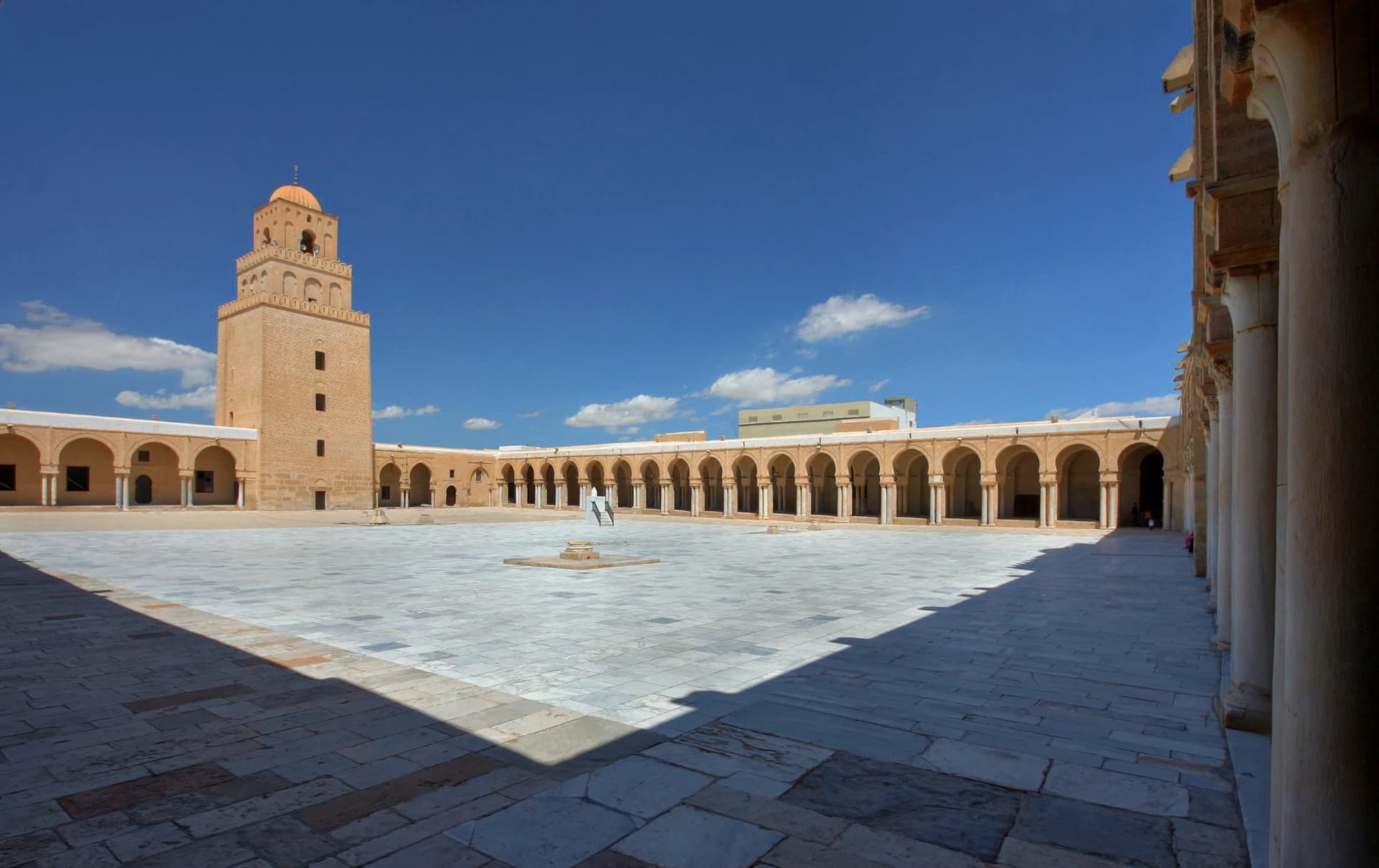
As a rule, non-Muslims cannot enter the prayer hall of a mosque. Some mosques, however, allow visitors into the courtyard. The Great Mosque of Kairouan, for example, lets visitors see the courtyard if they dress modestly and avoid prayer times.
- Dress modestly, covering shoulders and knees.
- Avoid prayer times, especially Friday midday.
- Check whether photography is allowed and visit quietly.
What to wear at religious sites
Beaches and resorts are relaxed about clothing, but when visiting mosques or conservative rural villages it is best to cover your shoulders and knees. Women may find a light scarf handy for quickly covering the head or shoulders. If you are unsure what to pack, our what to wear and packing guide helps.
Comfortable for women and first-timers
Tunisia is used to visitors, and travellers rarely feel constrained because of religion. Solo women travellers can be comfortable by following basic etiquette. For more on safety, see is Tunisia safe to visit, and for first-trip questions, our first-time Tunisia FAQ.
Frequently asked questions
What religion is Tunisia?
About 99% of Tunisians are Muslim, most of the Sunni Maliki school. Islam is the state religion, though a small Jewish community remains and Christianity flourished here in antiquity.
Are the religious rules strict for tourists?
No. Tunisia is one of the most moderate and secular countries in the Arab world. Visitors are rarely subject to religious restrictions and can dress and move freely in resorts and towns.
Can non-Muslims enter mosques?
You generally cannot enter the prayer hall, but some mosques — like the Great Mosque of Kairouan — allow visitors into the courtyard. Dress modestly and avoid prayer times.
What should tourists know about Ramadan?
During Ramadan many people fast in daylight and some restaurants and shops change hours. Travel is still easy, but being discreet about eating and drinking in public is a thoughtful gesture. Check the dates before you go.
What should I wear at religious sites?
Cover your shoulders and knees. A light scarf is useful for women to cover the head or shoulders. Beaches and resorts are relaxed about clothing.
Are there Jewish or Christian sites worth visiting?
Yes. The El Ghriba synagogue on Djerba is one of Africa's oldest Jewish sites and hosts an annual pilgrimage. The ruins of Carthage are linked to early Christianity.
Is Tunisia safe and comfortable for women?
Yes. With basic etiquette, solo women travellers can be comfortable. Tourist areas are used to visitors, and religion rarely causes difficulties.