
Tunisia is a relatively low-risk destination for most travellers, but a little preparation before you leave makes your stay far more comfortable and reassuring.
For most tourists, no vaccinations are legally required to enter Tunisia. Make sure your routine vaccinations are up to date, and consider hepatitis A and typhoid. Because rules and outbreaks change, always check the latest advice from your doctor or a travel clinic, and your government's official travel-health source, before you go.
Vaccinations to consider for Tunisia
For most travellers arriving directly, no vaccines are legally required to enter Tunisia. Start by checking that your routine vaccinations — such as measles-rubella (MMR) and tetanus — are current. The jabs most commonly recommended for travellers are hepatitis A and typhoid, both spread through contaminated food and water, so both are worth considering for Tunisia. For longer stays, a doctor may also suggest hepatitis B.
Note that if you arrive via a country with a risk of yellow fever, you may be asked for a vaccination certificate. Because needs and timing vary by person and rules can change, speak to a travel clinic or doctor four to six weeks before departure. There is no malaria risk in the usual tourist areas. First-timers may also like our Tunisia travel FAQ.
Food and water — avoiding traveller's diarrhoea
Tap water in Tunisia is chlorinated, but travellers are safest drinking sealed bottled water. Avoid ice and raw salads, and peel fruit yourself. Street food can be enjoyed fairly safely if you choose busy stalls where food is cooked fresh in front of you.
The most common complaint among travellers is traveller's diarrhoea. Pack rehydration salts and a basic remedy, and wash or sanitise your hands often. The same care applies when exploring regions like Kairouan or Djerba; for general safety see is Tunisia safe.
Coping with strong sun and heat
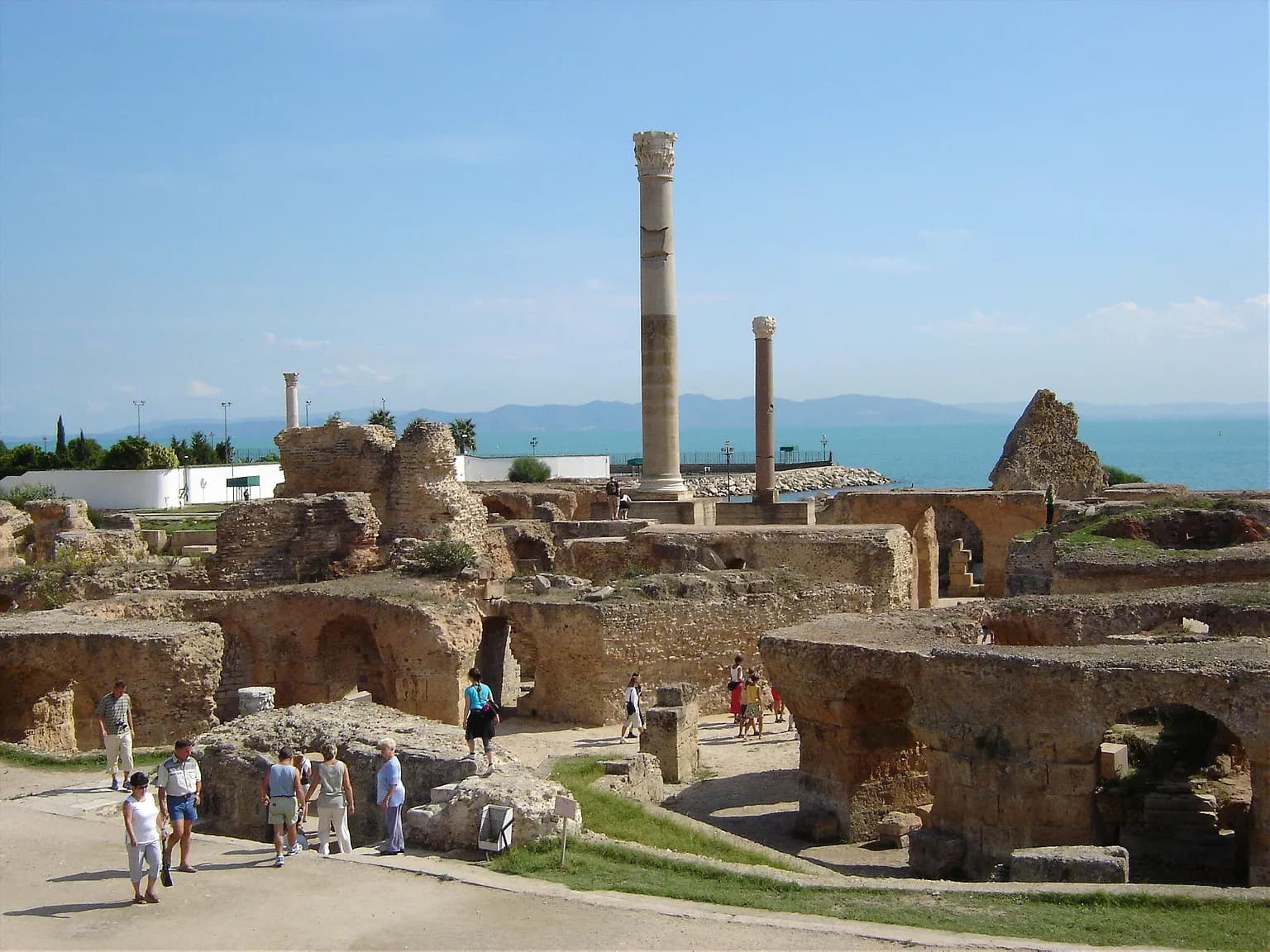
The sun is very strong in Tunisia, and ruins and the desert offer little shade. Bring a hat, sunscreen and sunglasses, drink water regularly, and guard against heatstroke. In summer, keep midday sightseeing short and be active in the morning and evening. For timing, see our best time to visit guide, and for clothing our what to wear and packing list.
Pharmacies and medical care
Cities have many pharmacies (pharmacie), well stocked with common medicines and marked by a green cross, with duty pharmacies open at night. Private clinics and hospitals are well equipped and fairly easy to access, though treatment can be expensive. Bring enough of any regular prescription medicine from home, and note the generic drug names in English or French. Our complete Tunisia guide covers wider planning.
Always take out travel insurance
We strongly recommend travel insurance that covers medical costs for Tunisia. Private care can be costly, and insurance also covers the rare case of hospitalisation or medical evacuation. If you have a pre-existing condition, check what is covered before you travel.
Check official sources for the latest
This article is general travel-health information and not medical advice. Outbreaks, recommended vaccinations and entry requirements can change. Before you travel, always check your government's official travel-health advice and consult a doctor or travel clinic for your own situation.
Frequently asked questions
Do I need vaccinations to travel to Tunisia?
For most travellers, no vaccines are legally required to enter. Keep routine vaccinations up to date and consider hepatitis A and typhoid. Because needs and timing vary, talk to a doctor or travel clinic a few weeks before departure.
Is the tap water safe to drink?
Tap water is chlorinated, but travellers are safest drinking sealed bottled water. Ice and washed raw vegetables can also upset some stomachs. Brushing teeth with tap water is usually fine, but use bottled water if you are concerned.
Is there a risk of malaria or dengue?
There is no malaria risk in the usual tourist areas, and dengue is not a high ongoing risk. Mosquitoes appear in summer, so insect repellent is a sensible precaution. Check the latest situation with official sources.
What medicines should I bring?
Useful items include rehydration salts, something for an upset stomach, painkillers, plasters and motion-sickness tablets. Bring enough of any regular prescription medicine from home, with the generic names noted.
Are pharmacies and hospitals easy to use?
Cities have many pharmacies stocking common medicines, and private clinics and hospitals are well equipped and accessible. Treatment can be expensive, so travel insurance is recommended.
Do I need travel insurance?
Yes — travel insurance with medical cover is strongly recommended. It protects you against sudden illness or injury, hospitalisation and medical evacuation. If you have a pre-existing condition, check the cover before you go.
What are the most common health problems for tourists?
The most common is traveller's diarrhoea from unfamiliar food and water, followed by sunburn, heatstroke and dehydration from the strong sun. Most are preventable with hydration, good hygiene and sun protection.