
Tunisia is one of the more welcoming North African countries for women travelling alone — rewarding and manageable with a little awareness and the same common sense you'd use anywhere.
Tunisia is generally considered safe and manageable for solo female travellers. Serious crime against tourists is rare; the most common issue is verbal harassment (catcalling and unwanted attention), which is usually easy to shrug off. Dress modestly in medinas and religious sites, use official taxis or ride-hailing apps, avoid isolated areas after dark, and you can expect a warm, rewarding trip. This guide covers what to expect and how to travel confidently.
Is Tunisia safe for solo female travellers?
Broadly, yes. Tunisia is often described as one of the easier and safer countries in the region for women travelling alone. Tunisians are famously hospitable, violent crime against visitors is uncommon, and tourist areas are well used to independent travellers. That doesn't mean it's free of hassle — like much of the Mediterranean and North Africa, women can attract unwanted attention — but the overwhelming majority of solo female trips pass without any real problem. For the bigger picture, see our guide to whether Tunisia is safe to visit.
What to expect: harassment and how to handle it
The most common annoyance is street harassment — comments, stares, persistent vendors or men trying to start a conversation. It is almost always verbal rather than physical, and more wearing than dangerous. A few strategies make it easy to manage:
- Stay confident and purposeful. Walk as if you know where you're going, even when you don't.
- Don't feel obliged to engage. A polite but firm "la, chokran" (no, thank you) and continuing to walk is perfectly acceptable.
- Use sunglasses and headphones to avoid eye contact when you'd rather not interact.
- Ask local women for help if you feel uncomfortable — they are generally kind and protective of lone female visitors.
- Trust your instincts. If a situation feels off, step into a shop, café or hotel.
Be aware that unwanted attention can occasionally come from people in the tourism trade too — the occasional over-friendly guide or hotel staffer — so keep the same boundaries you would at home.
What to wear
Tunisia is relatively liberal by regional standards, and in cities like Tunis, Sousse and Hammamet you'll see local women in a wide range of styles. You do not need to cover your hair. That said, dressing modestly reduces unwanted attention and shows respect:
- In medinas, traditional neighbourhoods and religious sites: cover shoulders and knees; carry a light scarf for mosques and shrines like the Great Mosque of Kairouan.
- In cities generally: loose trousers or a long skirt with a top that isn't too revealing keeps you comfortable and low-profile.
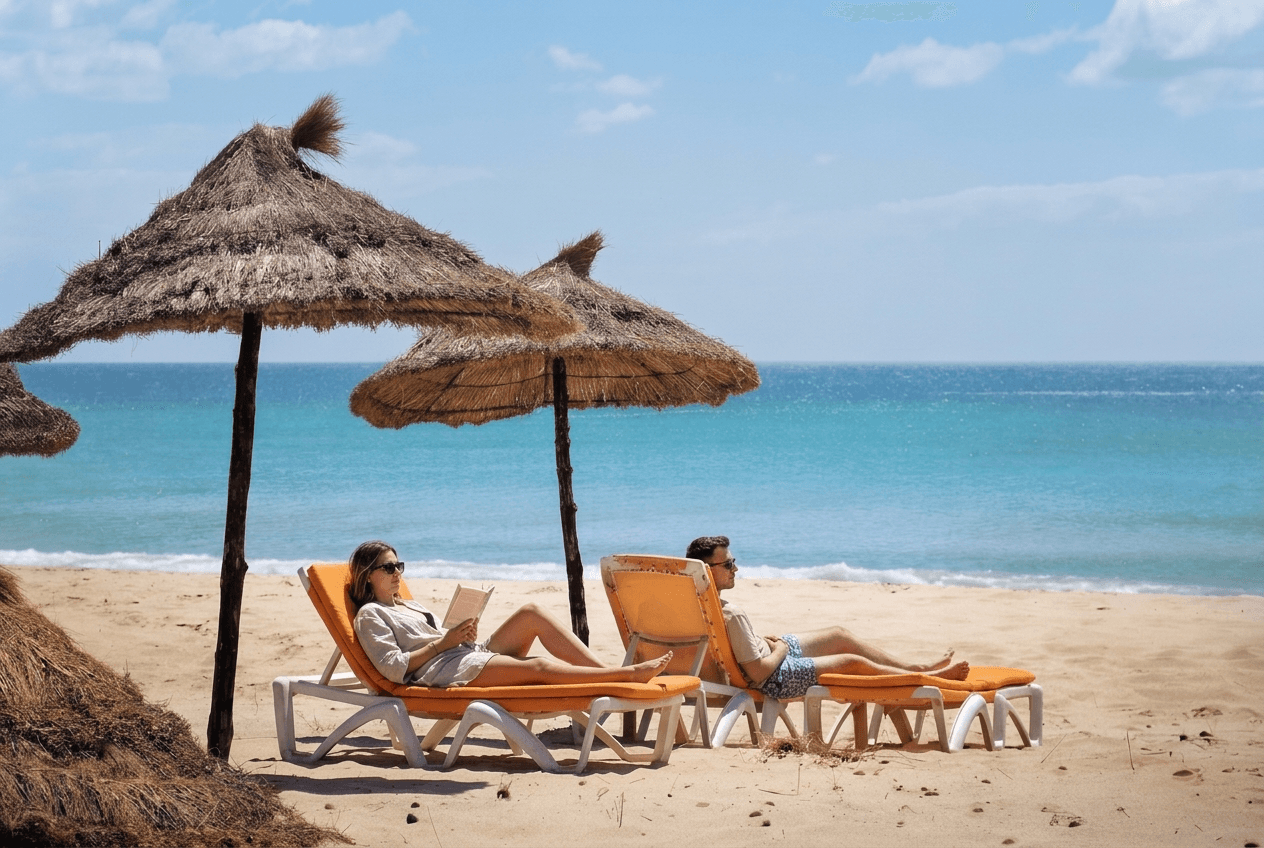
- At beaches and resorts: normal swimwear and beachwear are completely fine within resort grounds.
Our what-to-wear and packing guide has full seasonal advice.
Getting around safely
Transport is one of the main things to plan as a solo woman:
- Taxis: use official yellow metered taxis, and insist the meter is used (or agree the fare first). In cities, ride-hailing apps are a great option — the route and price are logged, which adds peace of mind.
- Louages (shared minibuses): cheap and useful between towns; perfectly usable, though you may prefer to sit next to another woman where possible.
- Trains and buses: fine for intercity travel; keep valuables close in crowded stations.
- After dark: stick to busy, well-lit streets, and take a taxi rather than walking alone late at night.
See our full guide to getting around Tunisia for all the options.
Where to go and where to stay
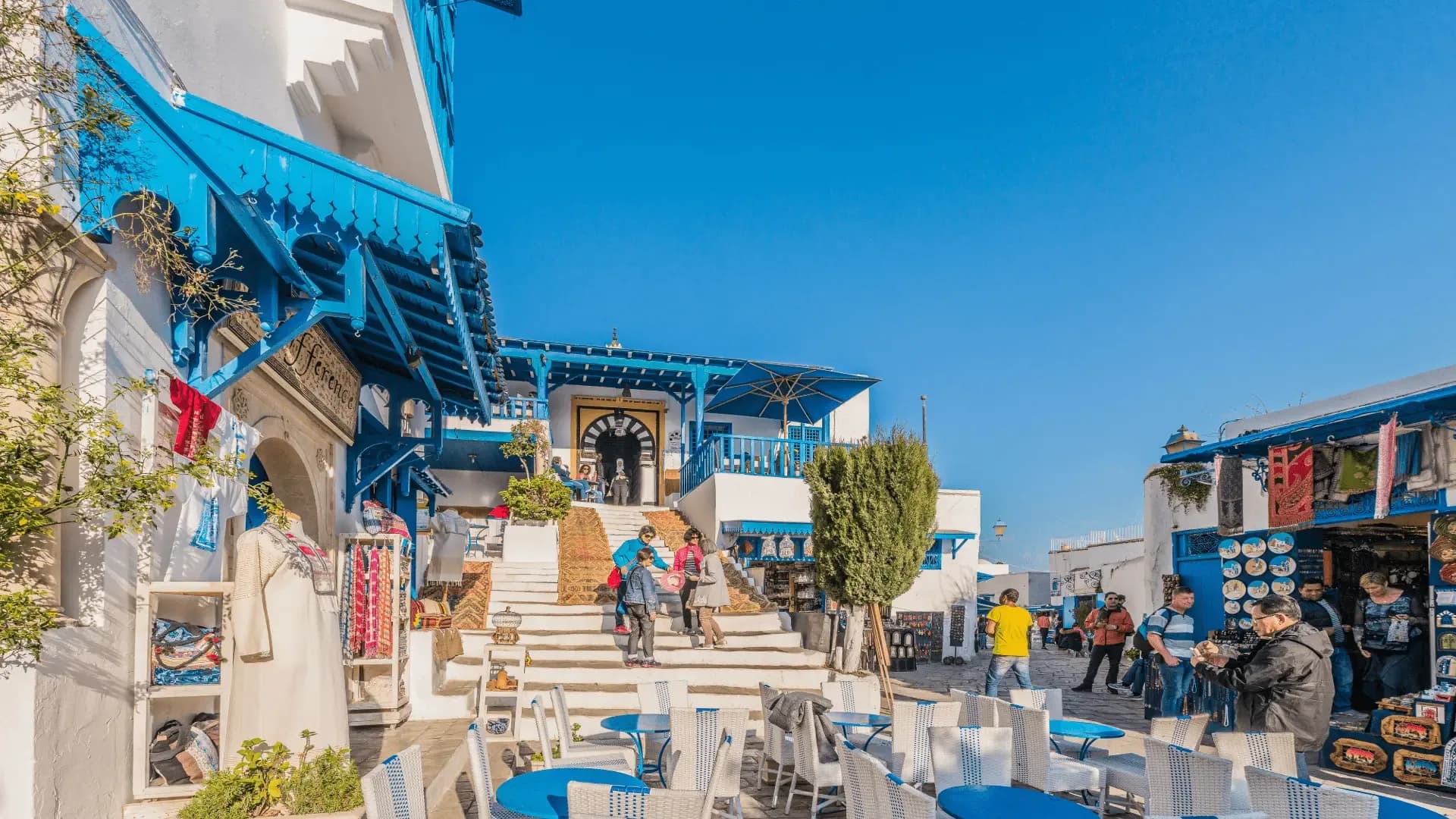
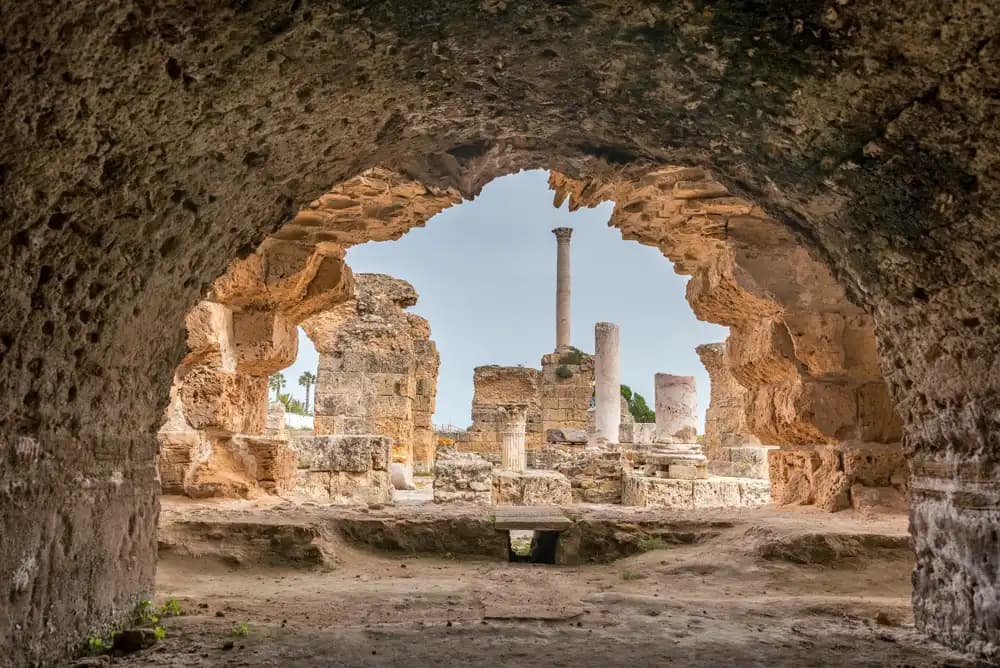
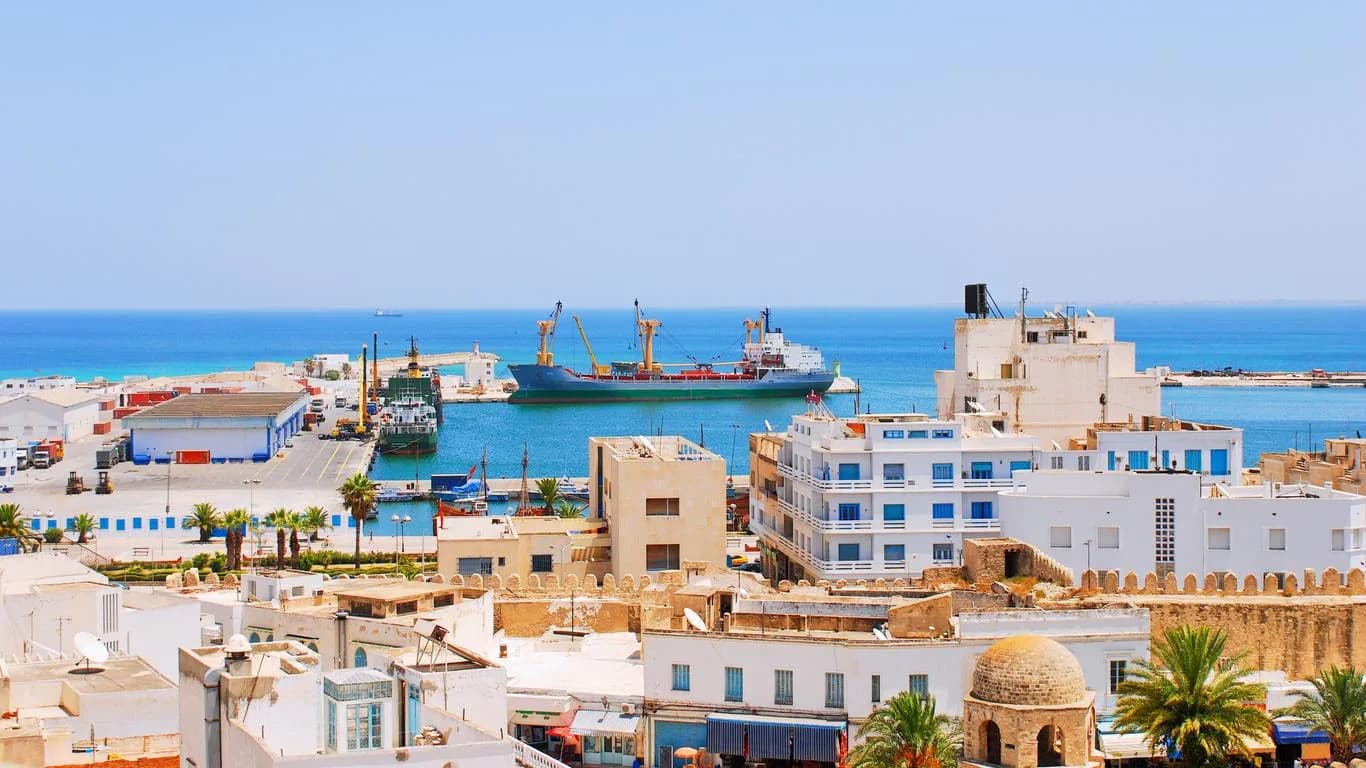
Most of Tunisia's highlights are very doable solo. The coastal resorts (Sousse, Hammamet, Monastir, Djerba) are the most relaxed and set up for independent travellers; cultural hubs like Tunis, Carthage and Sidi Bou Saïd are easy and rewarding; and the Roman sites and the Sahara are magnificent — though for desert trips, many solo travellers prefer to join a small-group tour or a guided excursion for company and logistics.
Choose well-reviewed accommodation in central, walkable areas, and read recent reviews from other women where you can. Riads and guesthouses often feel safer and friendlier than large anonymous hotels, and staff can be a great source of local advice.
Practical safety tips
- Share your itinerary with someone at home and check in regularly.
- Keep a local SIM or eSIM so you always have maps and a way to call a taxi — see our SIM and internet guide.
- Carry a card with your hotel's name and address in Arabic/French for taxi drivers.
- Keep valuables secure against petty theft in crowded souks and transport hubs — this, not violent crime, is the main everyday risk.
- Learn a few words of Arabic or French; even a little goes a long way and earns goodwill.
- A wedding ring and a vague "my husband is meeting me" can deflect persistent attention, if you find it helpful.
Understanding the cultural context
It helps to understand where unwanted attention comes from. Tunisia is a Muslim-majority society that is socially conservative in some respects and quite relaxed in others, and a woman travelling alone can still be an object of curiosity, especially away from the main resorts. Most interactions are driven by curiosity or opportunism rather than any threat, and Tunisian women navigate the same streets every day. Approaching the culture with respect — dressing considerately, learning a few polite phrases, and accepting genuine hospitality while setting clear boundaries — tends to be met with warmth in return. For more on local customs and faith, see our guide to religion in Tunisia.
The rewards of solo travel in Tunisia
None of this should put you off — quite the opposite. Solo female travellers consistently describe Tunisia as friendly, fascinating and far easier than they expected: the hospitality is genuine, the history is extraordinary, and the mix of Mediterranean coast, ancient cities and Sahara packs enormous variety into a small, affordable country. With a little awareness, it is a wonderful place to explore on your own terms.
Atlantis Voyages can arrange a tailor-made trip with trusted drivers, vetted accommodation and optional guided days — ideal for solo travellers who want freedom with a safety net. Browse our Tunisia tours or start planning your trip.
Frequently asked questions
Is Tunisia safe for solo female travellers?
Generally yes — it is considered one of the more welcoming North African countries for women travelling alone. Serious crime against tourists is rare; the main issue is verbal harassment, which is usually easy to manage.
Do women have to cover their hair in Tunisia?
No. Tunisia is relatively liberal and you do not need to cover your hair, though a light scarf is useful for visiting mosques and shrines.
What should a woman wear in Tunisia?
Modest clothing covering shoulders and knees in medinas and religious sites; relaxed clothing is fine in cities and normal swimwear at beaches and resorts.
Is street harassment common in Tunisia?
Some unwanted attention — comments, stares, persistent vendors — is common, as in much of the region, but it is almost always verbal rather than physical and easy to shrug off.
How should I deal with harassment in Tunisia?
Stay confident, don't feel obliged to engage, use a firm "la, chokran" (no thank you), avoid eye contact when you prefer not to interact, and ask local women for help if needed.
Is it safe to take taxis alone in Tunisia?
Yes — use official yellow metered taxis and insist on the meter, or use a ride-hailing app in cities, where the route and fare are logged.
Can women travel alone to the Sahara in Tunisia?
Yes, though many solo travellers prefer to join a small-group tour or guided excursion for the desert, both for company and for the logistics.
Is it safe to walk alone at night in Tunisia?
Stick to busy, well-lit areas and take a taxi rather than walking alone late at night, especially away from the main tourist streets.
Which parts of Tunisia are easiest for solo women?
The coastal resorts (Sousse, Hammamet, Monastir, Djerba) and the main cultural centres (Tunis, Carthage, Sidi Bou Saïd) are the most relaxed and well set up for independent travellers.
Are Tunisian people friendly to solo travellers?
Very — hospitality is a point of pride, and local women in particular are often helpful and protective toward lone female visitors.
What is the biggest everyday risk for travellers in Tunisia?
Petty theft and pickpocketing in crowded markets, medinas and transport hubs — not violent crime. Keep your valuables secure and you'll usually be fine.
Should I join a tour or travel independently as a solo woman?
Both work. Independent travel is very doable; a tailor-made trip or occasional guided days give you freedom with extra support for transport, desert trips and remote sites.
Is Tunisia a good first solo trip for women?
It can be — it is affordable, compact, full of variety, and easier than many first-timers expect, especially if you base yourself in the coastal resorts and take guided days for the desert and remote sites.
Do I need a guide as a solo female traveller in Tunisia?
Not for the cities and coast, which are easy to explore independently. A guide or small-group tour is worth considering for the Sahara and far-flung Roman sites.
Are hotels and resorts safe for women travelling alone?
Generally yes — choose well-reviewed, centrally located places and read recent reviews from other women. Keep the same sensible boundaries with staff that you would anywhere.
Is it rude to refuse invitations in Tunisia?
No — a polite decline is perfectly acceptable. Genuine hospitality is common and lovely, but you are never obliged to accept, and a friendly "no thank you" is respected.
What languages can I get by with as a solo traveller?
French is widely spoken alongside Arabic, and English is common in tourist areas. A few words of Arabic or French are very much appreciated.
Can I go to cafés and restaurants alone as a woman?
Yes — in tourist areas and modern districts this is completely normal. In very traditional local cafés you may be one of few women, but you will still be served and treated courteously.
How much should I budget as a solo traveller in Tunisia?
Tunisia is very affordable. Travelling solo costs a little more per person than sharing, but it remains budget-friendly — see our Tunisia cost and budget guide.
What should I do if I feel unsafe?
Step into a shop, café or hotel, ask local women or staff for help, and trust your instincts. Keep your phone charged with a local SIM so you can call a taxi or your accommodation.
Explore Tunisia with confidence. Plan a tailor-made Tunisia trip with Atlantis Voyages, or explore our guided Tunisia tours.