
Visiting Tunisia during Ramadan isn't something to avoid — handled with a little awareness, it can be one of the most atmospheric and rewarding times to experience the country.
Ramadan is the Islamic holy month of fasting, when most Tunisians don't eat, drink or smoke between dawn and sunset. For travellers it means quieter, slower days and lively, festive evenings. Tourist resorts and major sites generally operate as normal, but some cafés and restaurants adjust their hours. Its dates move about 11 days earlier each year — in 2027 it is expected to run from around 8 February to early March. Here's how to visit respectfully and enjoyably.
What is Ramadan?
Ramadan is the ninth month of the Islamic lunar calendar and the holiest period of the Muslim year. During it, observant Muslims fast from dawn until sunset — no food, drink, cigarettes or other indulgences during daylight — as an act of faith, discipline and reflection. The fast is broken each evening with a meal called iftar, often shared with family and friends, and the whole month has a special, communal, almost festive spirit. For broader context on faith and customs, see our guide to religion in Tunisia.
When is Ramadan in Tunisia?
Because the Islamic calendar is lunar, Ramadan shifts roughly 11 days earlier each year on the Western calendar, so it gradually moves through all the seasons. In 2027 it is projected to begin around 8 February and end in early March, with the festival of Eid al-Fitr around 10–11 March. These dates are always confirmed only when the new moon is officially sighted, so treat published dates as close estimates and check nearer the time. If you'd rather travel outside Ramadan, our best time to visit Tunisia guide maps out the whole year.
Should you visit Tunisia during Ramadan?
There's no reason not to — but it helps to know what you're choosing. The upsides: a unique cultural atmosphere, beautifully lit streets, buzzing night-time markets, special foods, fewer tourists and often good value. The trade-offs: slower daytime services, some closed or reduced-hours eateries away from tourist areas, and locals (especially late in the day) understandably tired from fasting. If your trip is resort-based, you'll barely notice a difference; if you're travelling independently through towns and cities, build a little extra patience into your plans.
What changes for travellers
- Restaurants and cafés: in tourist areas, hotels and resorts, dining continues as normal and you can eat throughout the day. In local towns, many eateries close during the day and reopen spectacularly at sunset.
- Opening hours: shops, offices and some sites may keep shorter or shifted hours; expect a lull in the late afternoon as people prepare for iftar.
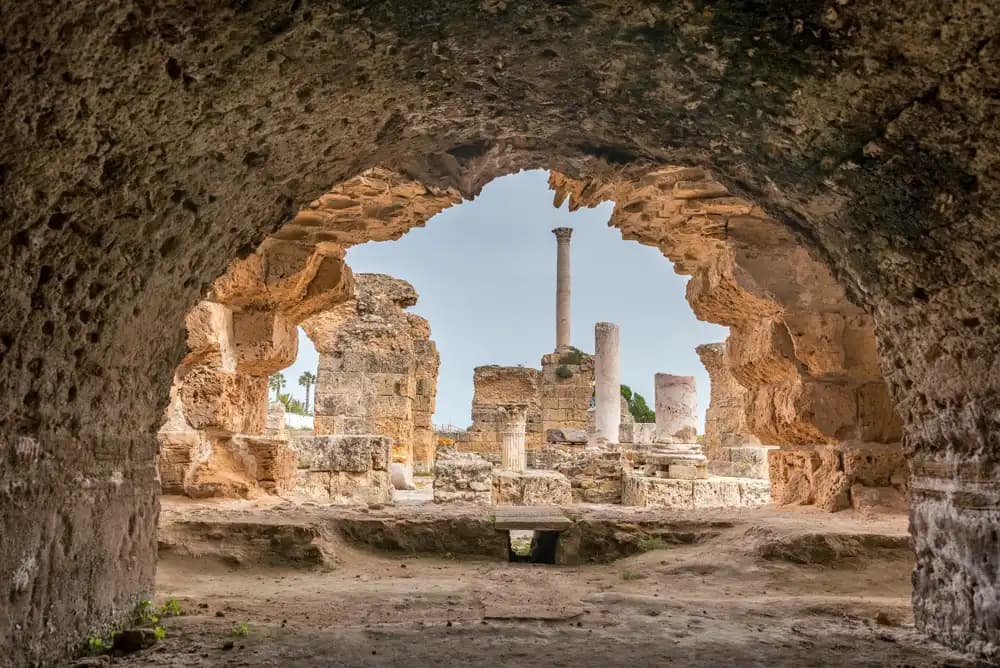
- Tourist sites: major attractions — Carthage, the El Jem amphitheatre, the Bardo, Kairouan — generally stay open, though hours can be trimmed.
- Alcohol: availability is more limited and discreet during Ramadan, though licensed hotels and tourist restaurants usually still serve it.
- Pace of life: mornings are quiet, afternoons wind down, and the city comes alive after dark.
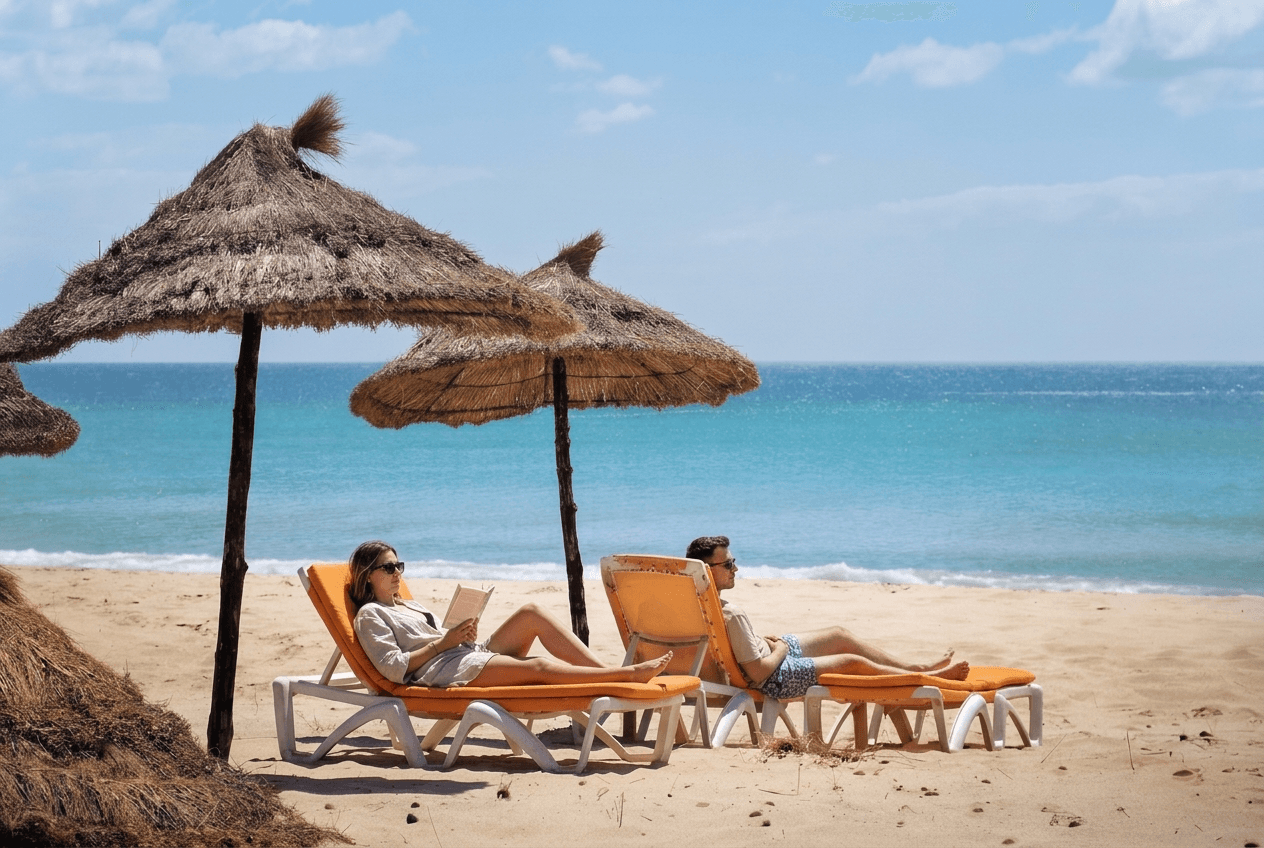
- Resorts: all-inclusive hotels run completely as usual, so a beach holiday is unaffected.
The magic of Ramadan evenings
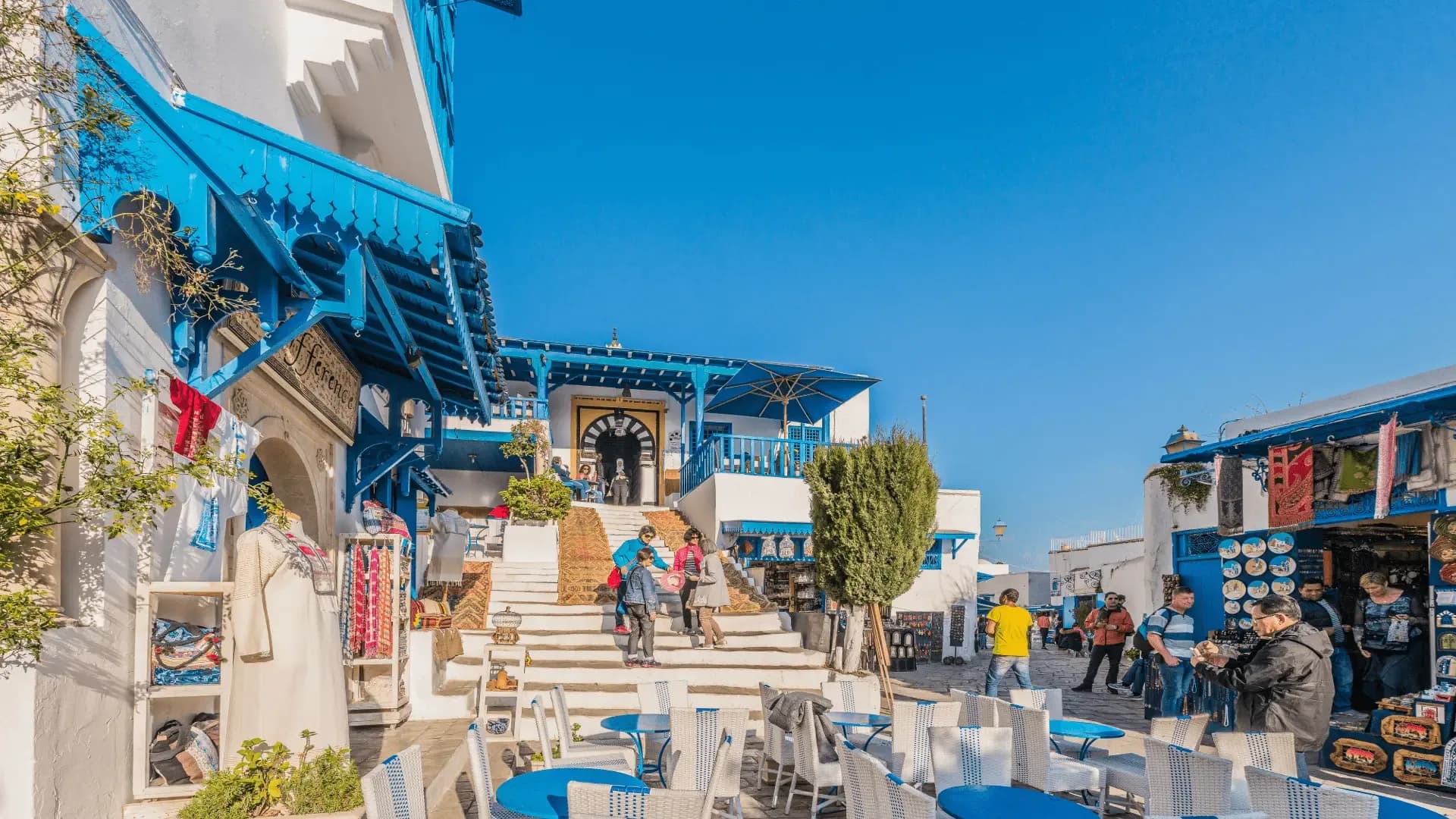
The real reward of visiting during Ramadan comes after sunset. As the call to iftar sounds, the streets empty for the breaking of the fast — then, an hour later, towns burst into life. Cafés overflow, families stroll, markets sell special sweets and pastries, and a warm, sociable energy lasts late into the night. It's a wonderful time to sample Tunisian Ramadan specialities — rich soups like chorba, brik, and syrupy sweets such as zrir and bouza — described in our Tunisian food guide. Being invited to share an iftar is one of the most memorable experiences a traveller can have here.
Ramadan through the seasons
Because its dates drift earlier each year, Ramadan can fall in any season — and that changes the experience. A summer Ramadan means very long, hot fasting days, so daytime life slows dramatically and people are more tired; sightseeing is best kept to the early morning. A winter Ramadan, like those of the mid-2020s, brings shorter, cooler fasting days, which are gentler on everyone and less disruptive for travellers. For the next several years Ramadan sits in late winter, gradually moving earlier — worth bearing in mind when you picture how your trip might feel.
Eid al-Fitr: the celebration at the end
Ramadan ends with Eid al-Fitr, the "festival of breaking the fast" — one of the most joyful holidays of the year. Families gather, children receive new clothes and gifts, homes fill with sweets and pastries, and the mood is celebratory. For travellers it is a fascinating window into Tunisian family life, but it is also a public holiday lasting a few days: expect many shops, offices and some attractions to close, and transport to be busy with people travelling to see relatives. Plan your logistics — bookings, transfers and key visits — around the Eid dates so a closure does not catch you out.
How to be a respectful visitor
You are not expected to fast, but a little consideration goes a long way:
- Be discreet with food and drink in public during daylight — eat and drink in your hotel, a tourist restaurant or out of sight, rather than openly on the street in front of people who are fasting.
- Don't smoke in public during fasting hours.
- Dress modestly, especially in towns and near mosques.
- Be patient and gracious with slower service, particularly in the hungry late afternoon.
- Accept and return kindness — a warm "Ramadan Kareem" (generous Ramadan) is a lovely greeting that will be appreciated.
Practical tips for a Ramadan trip
- Plan meals ahead: know which nearby restaurants or your hotel serve food during the day.
- Do sightseeing in the morning, when energy and opening hours are at their best, and rest or relax in the late afternoon.
- Experience one iftar and an evening out — it's the highlight of the month.
- Carry water and snacks discreetly for long days out, especially in summer Ramadans.
- Check Eid dates: the Eid al-Fitr holiday at the end can mean closures and heavy domestic travel for a few days.
For more first-trip essentials, see our first-time visitor FAQ.
Atlantis Voyages can plan a trip that works smoothly around Ramadan — or around any date you choose — browse our Tunisia tours or start planning your trip.
Frequently asked questions
Can tourists visit Tunisia during Ramadan?
Yes — tourists are welcome during Ramadan. Resorts and major sites operate largely as normal; you simply need a little awareness of the fasting daytime hours and some patience with adjusted services.
When is Ramadan in Tunisia?
Ramadan moves about 11 days earlier each year. In 2027 it is expected to run from around 8 February to early March, with exact dates confirmed only when the new moon is sighted.
Do restaurants close during Ramadan in Tunisia?
In tourist areas, hotels and resorts, dining continues as normal. In local towns, many restaurants close during the day and reopen in the evening after sunset.
Do I have to fast as a tourist in Tunisia?
No — visitors are not expected to fast. It is courteous, though, to avoid eating, drinking or smoking openly in public during daylight, out of respect for those who are.
Are tourist sites open during Ramadan?
Generally yes — major attractions stay open, though opening hours may be shortened, especially in the late afternoon.
Can you drink alcohol in Tunisia during Ramadan?
Availability is more limited and discreet, but licensed hotels and tourist restaurants usually continue to serve alcohol.
Is Ramadan a good time to visit Tunisia?
It can be a wonderful, atmospheric time — festive evenings, special foods and fewer crowds — as long as you're happy with slower daytime services and plan around them.
What is iftar?
Iftar is the evening meal that breaks the daily fast at sunset, often shared with family and friends, and the centrepiece of Ramadan's lively nights.
What happens at the end of Ramadan?
Ramadan ends with Eid al-Fitr, a joyful multi-day festival. Expect closures and busy domestic travel around Eid, so plan transport and bookings accordingly.
How should I greet people during Ramadan?
"Ramadan Kareem" or "Ramadan Mubarak" are warm, appropriate greetings that locals will appreciate.
Is a beach or resort holiday affected by Ramadan?
Barely — all-inclusive resorts run completely as usual, so a beach-based holiday goes ahead normally.
Will shops and banks be open during Ramadan?
Yes, but often on shorter or shifted hours, with a noticeable slowdown in the late afternoon before iftar.
Is it harder to travel in a summer Ramadan?
A little — long, hot fasting days slow daytime life more than a cool winter Ramadan. Sightsee early, rest in the afternoon, and enjoy the lively evenings.
Can I eat in my hotel during Ramadan?
Yes — hotels and resorts serve meals throughout the day as normal, so you can eat whenever you like on the premises.
Are beaches open during Ramadan?
Yes — beaches and resort facilities operate as usual. You may simply find local beaches quieter during the day and busier in the cooler evening.
Do prices go up or down during Ramadan?
Tourism can be a little quieter, which sometimes means good value, though food prices for certain festive items can rise. Travel around the Eid period can be busier and pricier.
Will I offend people if I eat in public during Ramadan?
Eating or drinking openly on the street in daylight is considered inconsiderate; doing so discreetly or in tourist venues avoids any offence.
Is public transport affected by Ramadan?
It generally runs, sometimes on adjusted schedules, with a late-afternoon lull around iftar and much heavier demand around the Eid holiday.
Can non-Muslims attend an iftar?
Yes — being invited to share iftar is common and a real honour, and many restaurants and hotels also offer special iftar meals open to everyone.
How long does Ramadan last?
Either 29 or 30 days, depending on the sighting of the moon, after which Eid al-Fitr begins.
What does "Ramadan Kareem" mean?
It translates roughly as "generous Ramadan" and is a common festive greeting during the month; "Ramadan Mubarak" (blessed Ramadan) is also widely used.
Do mosques welcome visitors during Ramadan?
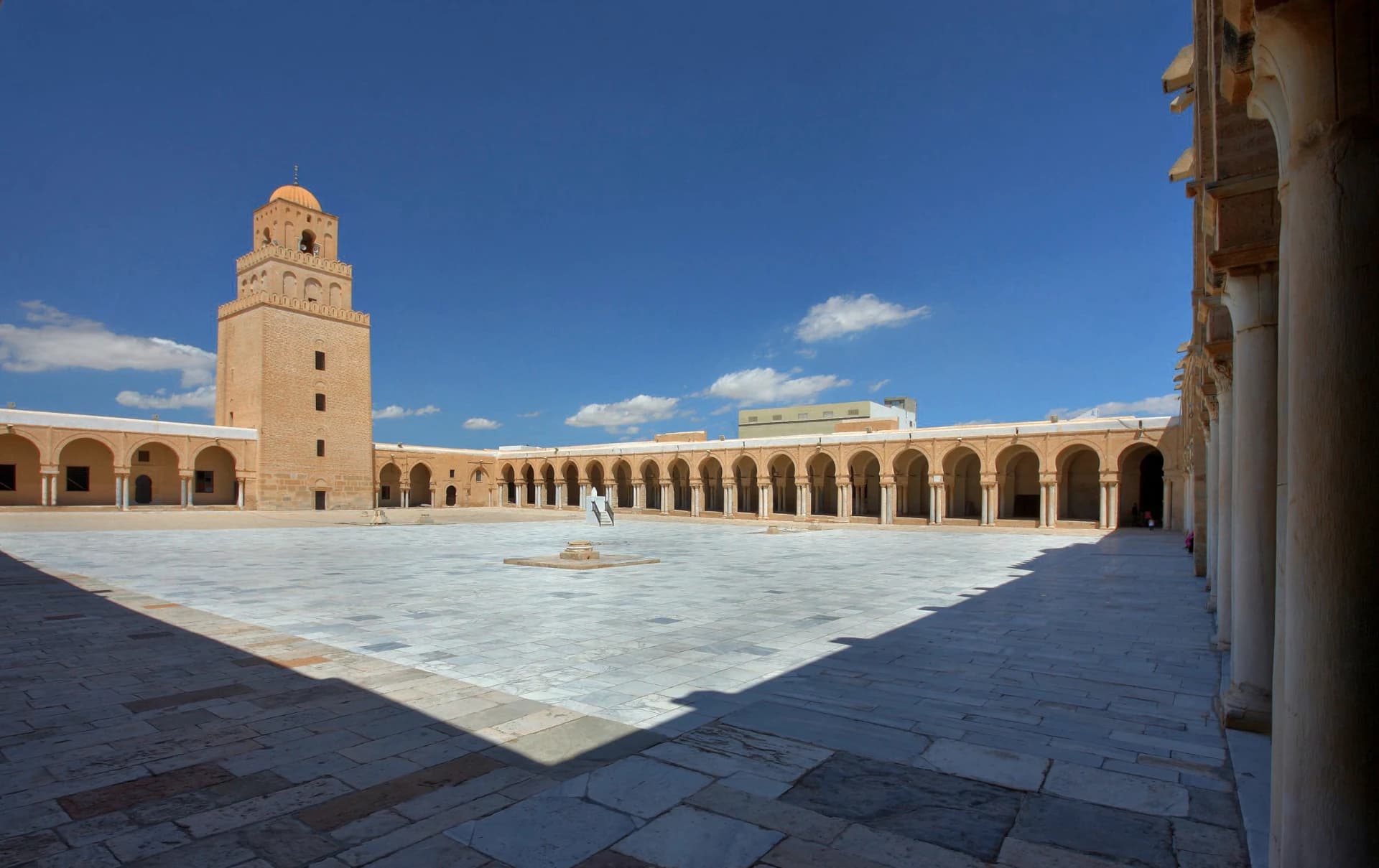
Courtyards of mosques open to non-Muslims, such as Kairouan's Great Mosque, generally remain visitable, though prayer halls stay reserved for worshippers and the month is especially busy with prayer.
Should I book a tour or travel independently during Ramadan?
Either works — a tour smooths over adjusted hours and closures, while independent travel is fine with extra flexibility and a morning-focused plan.
Experience Tunisia your way. Plan a tailor-made Tunisia trip with Atlantis Voyages, or explore our guided Tunisia tours.