
The first time I watched the sun sink behind the dunes near Douz, tea glass warm in my hand and nothing but golden silence around me, I understood why people cross the world for this. I'm Med Tounsi, and I've been guiding friends and travelers into our southern sands for years. Let me walk you through the real Tunisian Sahara.
Quick answer: A Tunisia Sahara desert tour usually starts in Douz, Tozeur or Ksar Ghilane and mixes camel treks, 4x4 rides and a night under the stars in a desert camp. The best time to go is October to April, when the days are warm and the nights are cool. Always go with a licensed guide, as the deep desert is remote.
Where is the Tunisian Sahara?
The Sahara covers the whole southern third of Tunisia, and the good news for you is that it is surprisingly easy to reach. Unlike the endless deep desert of some neighboring countries, our sands begin right where the palm groves end, so you can go from a green oasis to towering dunes in a matter of minutes.
Three gateways matter most for a Tunisia Sahara desert tour: Douz, known as the door of the desert; Tozeur, a huge date-palm oasis beside the salt lake Chott el Djerid; and Ksar Ghilane, a remote oasis with a natural hot spring deep in the sands. Each one gives you a different flavor of the Sahara, and many travelers link two or three of them into one loop.
Types of Tunisia Sahara desert tours
There is no single way to see the desert, and that is the beauty of it. Over the years I've sent travelers out on everything from a gentle one-hour ride to a multi-day expedition, so you can match the trip to your own pace and comfort.
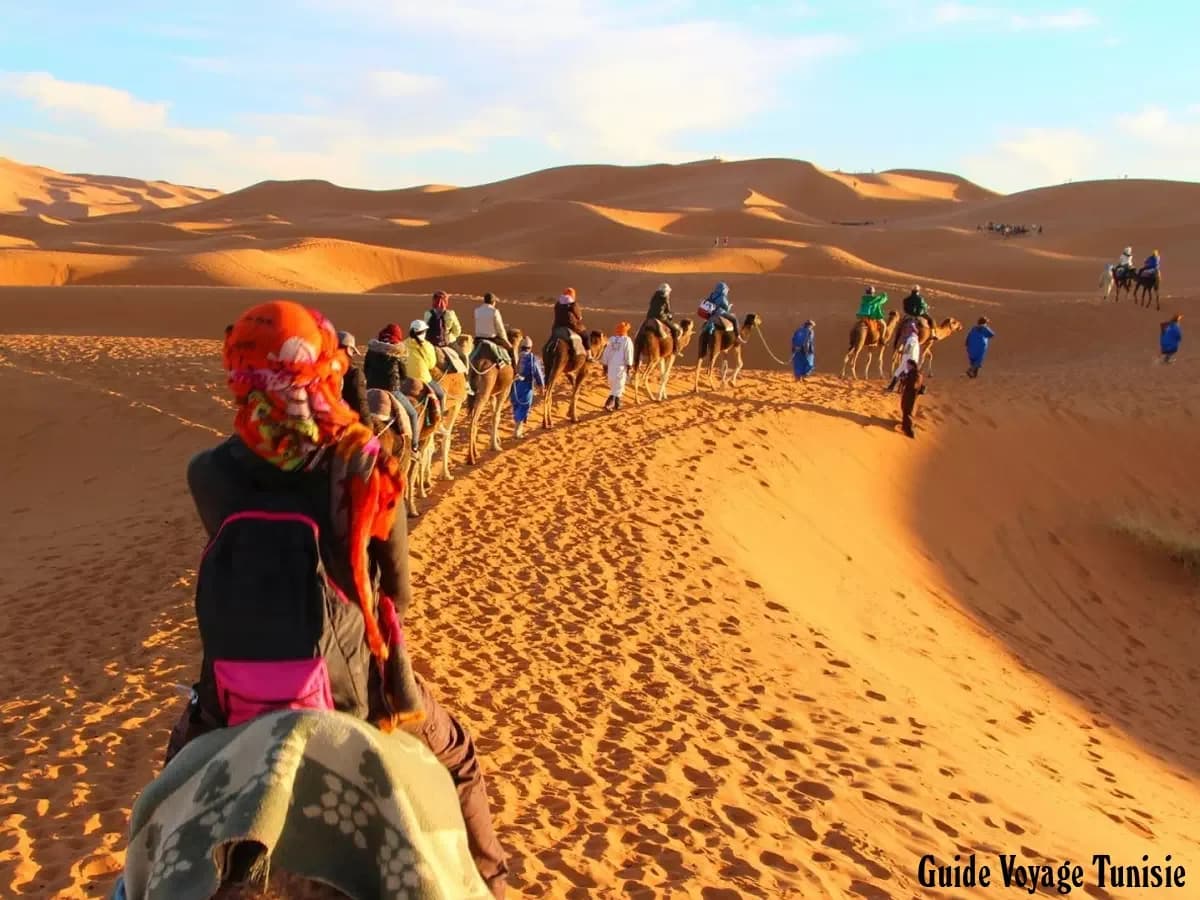
- Camel trek (méharée): the classic and most peaceful way to enter the dunes, swaying slowly at the speed the Sahara was always meant to be crossed.
- 4x4 safari: the fastest way to cover distance and reach remote spots like Ksar Ghilane or the old film sets, bumping over sand tracks with a driver who knows the terrain.
- Quad biking: a fun, adrenaline-filled hour or two over the nearby dunes, popular from Douz.
- Bivouac and camp nights: sleeping in a desert tent, sharing bread baked in the sand and grilled dinner around a fire.
- Stargazing: with no city lights for miles, the night sky here is one of the clearest you will ever see.
Most people combine several of these. A common favorite is a short camel trek out to a camp, dinner and a night under the stars, then a 4x4 ride back the next morning.
Douz, the true gateway to the desert
If you only have time for one desert base, Douz is my honest recommendation. It sits right at the edge of the Grand Erg Oriental, the great sea of dunes, so from the last street of town you can step almost straight onto the sand. This is why we call it the door of the Sahara.
From Douz you can arrange nearly everything: a sunset camel trek, a quad session, or a full bivouac night in the dunes. The town also keeps its nomadic soul, and if your timing is lucky you may catch the yearly Sahara festival with its camel races and folk music. For a relaxed first taste of the desert, Douz is hard to beat.
Tozeur and the Chott el Djerid salt lake
Tozeur is the grand oasis of the south, a vast forest of date palms watered by natural springs, with a beautiful old quarter of patterned brick. It makes a comfortable base with more hotels and services, and it is the launch point for one of Tunisia's strangest landscapes.
Just south of town stretches the Chott el Djerid, an immense salt lake that shimmers white and pink under the sun. For much of the year it is dry and cracked, and the heat throws up mirages that make distant palms seem to float on water. Crossing the causeway that cuts across it is unforgettable. Tozeur is also close to the mountain oases and to famous Star Wars filming locations, so it rewards travelers who linger a couple of days.
Ksar Ghilane, the oasis in the sands
Ksar Ghilane feels like the desert of your imagination. It is a genuine oasis sitting deep in the dunes, reached by a long 4x4 track, and its greatest gift is a natural hot spring where you can float in warm water with the sand rising all around you. After a dusty ride, that first soak is pure magic.
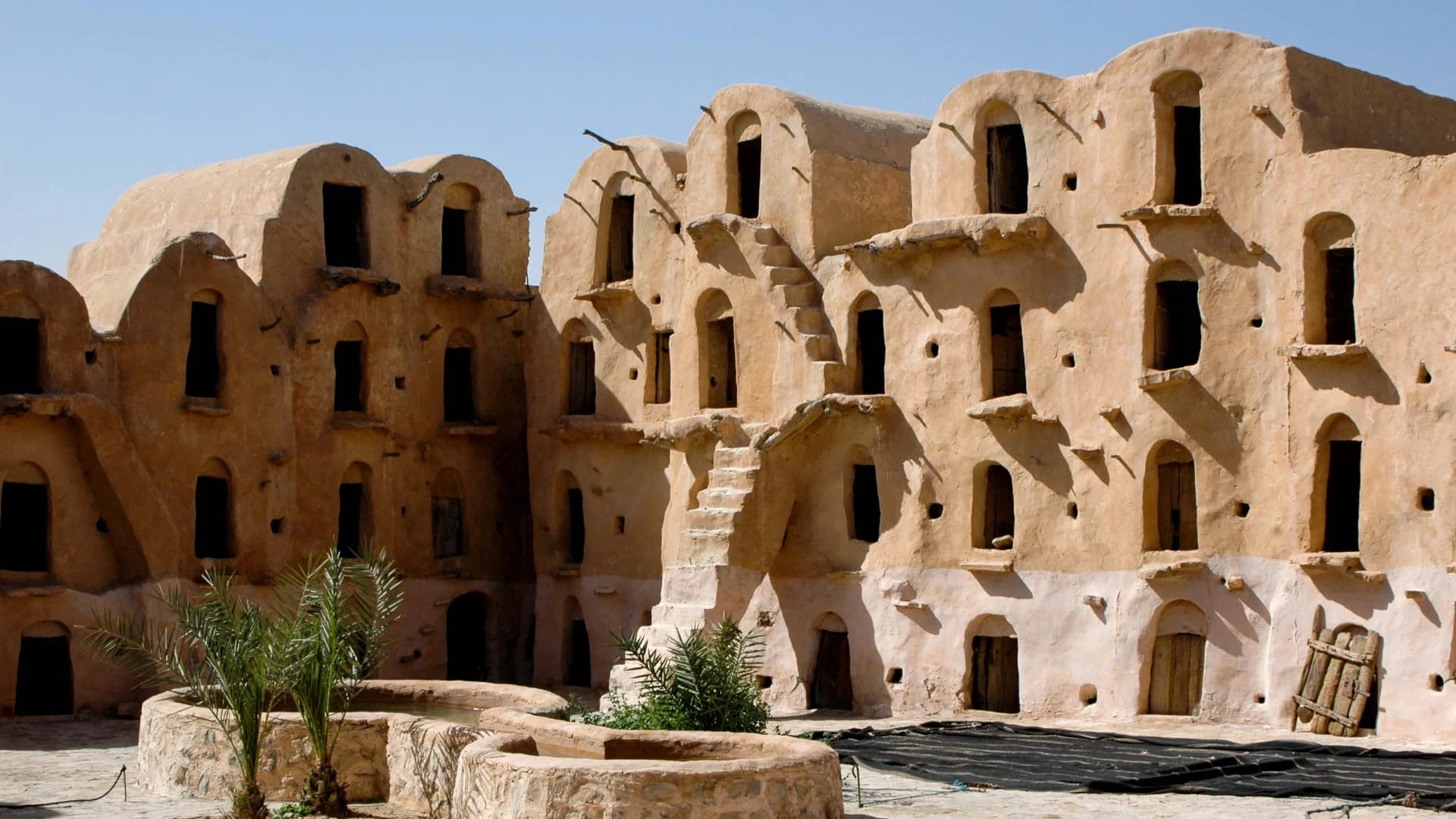
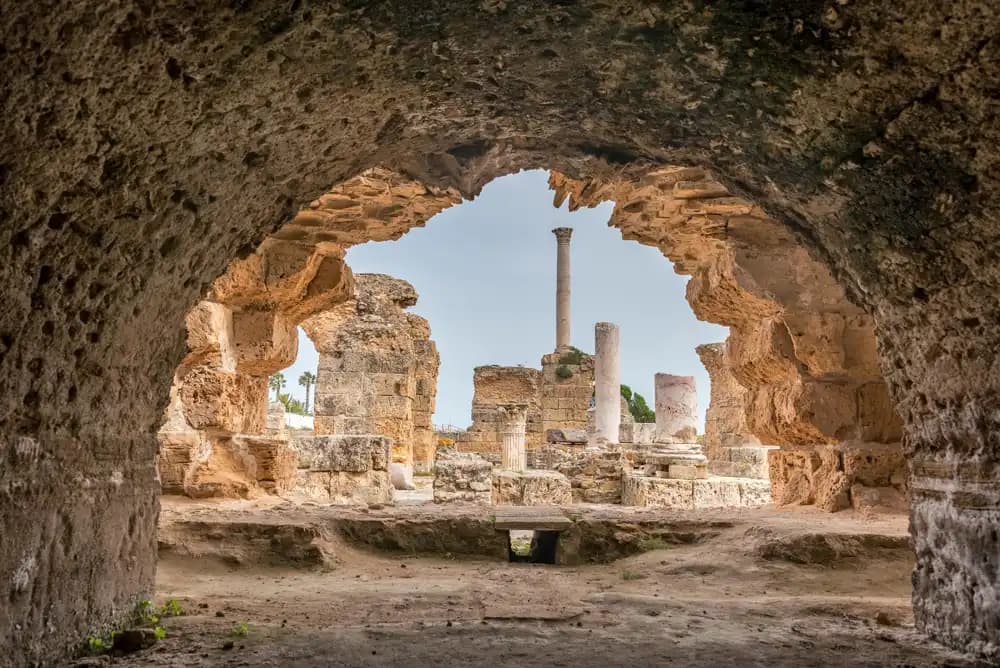
Above the palms stands Tisavar, a small Roman fort that once guarded the empire's southern frontier, a reminder that people have crossed these sands for thousands of years. Because it is so remote, most travelers reach Ksar Ghilane on an organized 4x4 tour, often paired with a stop in the cave-dwelling village region near Matmata along the way.
The best season for a Tunisia Sahara desert tour
Timing is everything in the desert, and I say this to every traveler who writes to me. The sweet spot runs from October to April. Spring, autumn and winter all give you comfortable, warm daytime temperatures that are perfect for camel treks and long 4x4 days.
Summer, from roughly June to August, is a different story. Midday heat can be extreme, so if you do come in that period, ride out early in the morning or in the late afternoon and rest in the shade during the burning middle hours. And whatever the season, remember one thing that surprises many visitors: desert nights are genuinely cold, sometimes near freezing in winter, so warm layers are not optional.
What to pack for the Tunisian Sahara
The desert asks you to prepare for two climates in one day: strong sun by day, real cold by night. Pack for both and you will be comfortable throughout your trip.
- Warm layers: a fleece or jacket and a hat for the cold evenings and nights, even in an otherwise warm season.
- Sun protection: sunglasses, a wide hat or a scarf, and strong sunscreen for the daytime glare off the sand.
- Light, covering clothing: long sleeves and trousers protect you better from the sun than bare skin.
- Closed shoes: comfortable trainers or boots for walking and climbing dunes; sand gets everywhere.
- Water and a small light: stay hydrated, and a headlamp is handy around camp at night.
A light scarf, the local chèche, is both practical and lovely; wrap it against wind-blown sand and you'll feel the part.
How to book your desert tour
The single best piece of advice I can give is to book a guided tour rather than heading into the sands alone. A good local operator handles the vehicles, the camels, the camp, the meals and the permits, so all you have to do is enjoy it. This is exactly the kind of trip we at Tunisia Trip put together every week.
You can choose a short half-day experience from Douz, an overnight bivouac, or a multi-day loop linking Tozeur, Ksar Ghilane and the southern ksour. When you compare offers, check what is included: transport, guide, meals and camp equipment. On prices, treat any figure you see as indicative only, since they shift with the season, the group size and the length of the trip; ask for a clear quote before you commit. If you are still shaping your whole itinerary and budget, our Tunisia cost and budget guide is a useful companion.
Staying safe in the deep desert
The Sahara is welcoming, but it deserves respect. The most important rule is simple: go with a licensed guide. The deep desert is remote, phone signal fades, and the landscape can disarm even confident travelers, so local knowledge keeps you safe and lets you relax.
Stick with your group and your guide, carry enough water, and follow the timing advice about avoiding the fiercest midday heat in the hot months. Protect yourself from the sun during the day and wrap up warmly at night. Do all of that, and the desert gives back nothing but wonder.
Frequently asked questions
How many days do I need for a Tunisia Sahara desert tour?
You can taste the desert in a single overnight from Douz, but two to three days lets you combine the dunes, the Chott el Djerid at Tozeur and the oasis of Ksar Ghilane at a relaxed pace. Longer loops of four or five days add southern villages and film sets.
Is the Tunisian Sahara safe for tourists?
Yes, when you travel with a licensed guide or an established tour operator. The classic desert areas around Douz, Tozeur and Ksar Ghilane are well used to visitors. The key is not to venture into remote zones on your own.
When is the best time to visit the Sahara in Tunisia?
October to April is ideal, with warm days and cool nights. Summer is very hot at midday, so desert activities are best booked for early morning or late afternoon during that season.
Do I have to ride a camel?
Not at all. Camel trekking is the classic experience, but you can explore entirely by 4x4 or quad if you prefer. Many travelers mix a short camel ride with a vehicle tour to enjoy both.
Will it really be cold at night?
Yes. This surprises many visitors, but desert nights are cold and can drop near freezing in winter. Bring warm layers, a jacket and a hat even if your days are sunny and warm.
Can beginners and families do a desert tour?
Absolutely. There are gentle, short experiences suitable for children and first-timers, as well as more adventurous multi-day trips. Tell your operator your comfort level and they will shape the tour to fit.